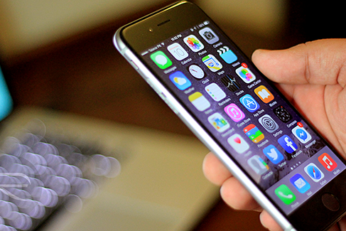
On June 29, 2007, Apple finally released the original iPhone, six months after Steve Jobs announced it and many more months after the rumors of an Apple-made smartphone first began to circulate.
Former Apple SVP Scott Forstall has finally broken his silence to take part in a rare interview with journalist John Markoff to discuss the birth of the original iPhone launched back in 2007.
Remember that stunning new campus - originally dubbed the Spaceship - which Apple has been building for quite some time in Cupertino? Well, Tim Cook's company has today announced and released additional information about the building, including the fact that it will be officially known as 'Apple Park'.
Check out the video demo of the Tony Fadell's P1 Vs Scott Forstall's P2 original iPhone prototype interfaces in action. Which one of these would you have preferred?
Apple has today announced a new hardbound photo book called 'Designed by Apple in California', which includes images highlighting not just the products themselves but also how they were designed over the course of the company's last twenty years of operation.
It has had a good run, but today the iPhone 4 has reached the end of the line with Apple now officially marking it as obsolete. Having been announced by then CEO of Apple Steve Jobs (his last iPhone unveil before death) and released back in the summer of 2010, the iPhone 4 survived a full six years before its obsolescence, and was last on sale in 2013.
Apple's announcement of an all-new version of the iPhone and iPad's operating system, iOS 10, brought with it a fundamental change to how we unlock our iOS devices, and one that comes after years of doing it the same way, day-in, day-out. As any iPhone or iPad user will attest, swiping or sliding to unlock is something that we do without even thinking. It's second nature, and we don't even realize we are doing it. Well, not anymore.
Anyone who thought Apple opting for rounded squares as the basis of the iOS design aesthetic was just a case of Jony Ive or one of his designers liking rounded corners and deciding to run with it is actually quite wide off the mark. Here's the real reason.