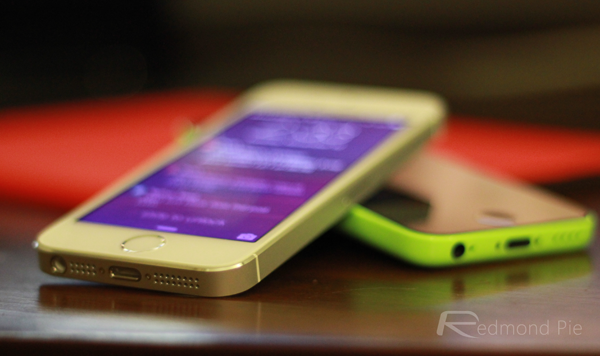
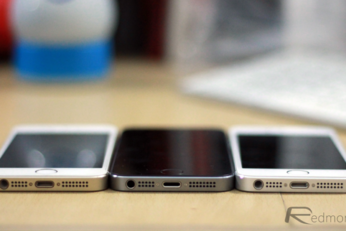
Prepare yourself for the speculation pertaining to Apple's new 4-inch iPhone SE to go into a serious overdrive as we approach Apple's rumored March media event. Earlier today, we were privy to a research note from KGI Securities analyst Ming-Chi Kuo suggesting that the iPhone SE would not only fall into the $400-$500 price range, but that it would also ship with a camera module that's more performant than what has been expected. Now, we are seeing a number of leaked images that could potentially be of a display assembly pulled directly from the production line of the iPhone SE.
Rather than face the laborious process of having to defend itself against governmental requests and court orders once again, Apple is said to be looking internally at strengthening its cloud encryption in order to effectively make it impossible to comply with court requests for data in the future. A number of sources who are seemingly familiar with Apple's plans have suggested that the Cupertino-based company is assigning engineering resources to add encryption to iCloud backups in such a manner that it's impossible to comply with valid data requests from government agencies.
Report compares security on iOS, the mobile operating system on Apple's iPhone, vs Google's Android. Just how secure is the smartphone in your pocket?
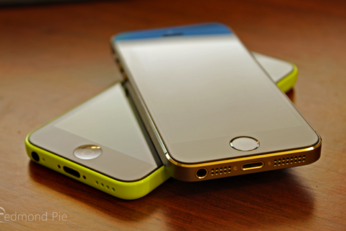
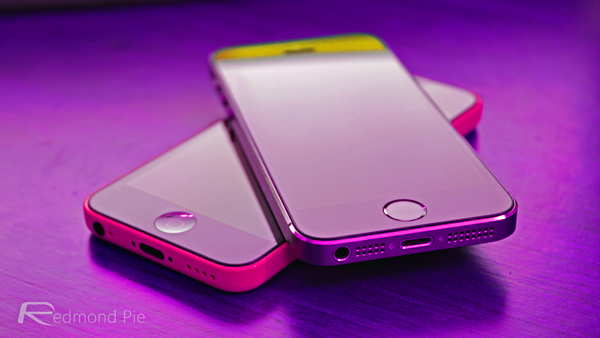
Apple's much rumored 4-inch iPhone may be called the 'iPhone SE' instead of iPhone 6c or iPhone 5se. The iPhone SE is set to be unveiled at an unannounced event on March 15th, with the hardware going on sale a matter of days later.
Apple's next versions of both Mac and iPhone firmware, OS X 10.12 and iOS 10, respectively, could feature updated Photos apps that regain features culled from previous iPhoto releases.
Apple has filed a motion to what it hopes will prevent it from creating "GovtOS" which will enable FBI access to an iPhone that belonged to one of the San Bernardino shooters. The motion filed claims that the court order to allow the FBI access to the aforementioned iPhone gives FBI "dangerous power" that breaches the company's constitutional First Amendment right to free speech.
It is being reported that Apple is working extremely hard internally on building an iPhone that nobody can hack into. Attention has recently been lavished onto Apple in the wake of the San Bernardino shooting in California, with law enforcement agencies applying pressure on the company to create a new version of iOS that introduces a backdoor to bypass security. This latest report suggests that Apple is responding to the security storm by trying to build an even more secure device and ecosystem that would make it impossible to break into iPhones, even for Apple. In other words, this would effectively make FBI's current requests useless.
With the recent release of iOS 9.3 beta 4, Apple has now fixed the iPhone bricking 1970 date bug on affected devices and have added measures to prevent it from happening in future on other devices. Here are the details.
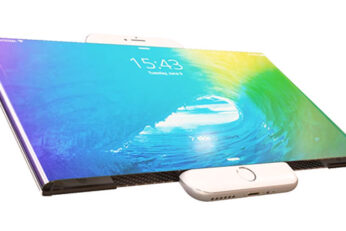
This iPhone 7 concept centers around an expanding and flexible widescreen display that opens out, making the screen considerably larger than it may first appear. Looking more like a large screen tablet than a smartphone, the result would make for quite an interesting iOS user experience.
The ongoing battle between Apple and the FBI has taken a rather interesting turn, with Apple apparently looking to get Congress involved in the dispute. Apple has been provided with a legal order from the federal circuit in the United States that tells the company to work with law enforcement agencies in an effort to unlock and leverage data from an iPhone belonging to one of the San Bernardino shooters. Apple has thus far contested the order due to the nature of the FBI demands, which essentially want a new version of iOS to be created to provide a backdoor into the mobile platform. Now, it is being reported that Apple would like the Congress to get involved in the matter and settle the dispute.