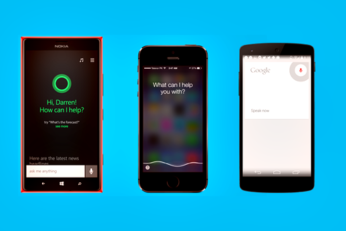
The concept of personal assistants has been around for a long, long time, and they indeed make one’s job a lot easier by sharing a hefty amount of your workload, maintaining schedules, prioritizing stuff, keeping track of projects and whatnot. With advancements in technology, a lot of that responsibility has shifted to our smartphones, further supported by the fact that not everyone can afford (or is entitled to) a personal assistant. Apple took the concept to the virtual world with its implementation of Siri, followed closely by Google Now and now, Microsoft’s Cortana for Windows Phone, with the latter being the highlight these days.
Google’s Chromecast saw a level of success that’s not easily achievable for any gadget. The device still holds a listing at the top of Amazon’s best seller in electronics, and rightly so - the low costing streaming dongle has a wonderful feature set to offer at a highly attractive price tag. There hasn’t been any direct competitor to the Chromecast yet, but it appears that Microsoft finally might be upping its game. The software company might be entering the arena with a similar device aimed at users of the Windows ecosystem, according to some recent FCC filings.
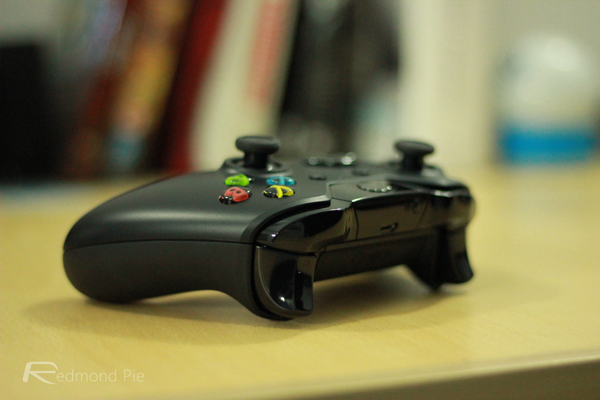
Microsoft's Xbox One will today receive an update that will bring new features as well as tweaks for existing ones. The update, available to all Xbox Ones that are connected to the Internet worldwide, will be a free and automatic update for all.
Just yesterday, we told you about Bill Gates and Tim Cook taking part in the Ice Bucket Challenge and dousing themselves in a bucket of ice cold water in the name of charity. A mere 24 hours later, ex-Microsoft CEO, Steve Ballmer, takes the plunge, joining a number of other tech executives in the Ice Bucket Challenge list.
Windows Threshold, also known as Windows 9 (or at least that’s what we expect it to be called once it becomes publicly available), has been in the news quite often lately, and for good reason. It’s been long rumored that Windows Threshold will see a public preview release late this year, and now it seems that this would be as early as late September this year. Apparently, the software giant is hard at work to push the next iteration of Windows out its Threshold (pun intended).
Today in Germany, Microsoft had a lot to say about its all-in-one entertainment (not so much just gaming) console, the Xbox One, whereby the company announced a number of upcoming features for the platform, including software updates and patches, exclusive games and perhaps most importantly, three new bundles, each with its unique set of offerings. The bundles include a FIFA 15 one, another with Sunset Overdrive accompanied by a nice surprise, and finally, a Call of Duty version featuring a larger hard drive.
Microsoft's Windows update schedule has been much more frequent over the past few years, with the software giant looking to maintain a solid experience for users while the plans for significant feature implementations are made. Today, as a part of a move to bring monthly house-keeping improvements, the 'August Update' for Windows 8.1 has been rolled out. Naturally, the tweaks are relatively minor, and below, we'll run through everything that Microsoft has bundled into this release.
Microsoft's next major operating system release, set to be named Windows 9, might not be ready to hit the shelves until next year, but reports have already started surfacing with respect to what it will curtail. According to sources close to the matter, the next iteration of Windows will include Microsoft's digital assistant, Cortana, embedded deeply within the operating system.
Microsoft is no stranger to releasing all sorts of wonderful apps and games for Apple’s mobile platform. And today is no different, with the software giant releasing a brand new app for iPhone users.
Microsoft has been on the Web for 20 years, and to celebrate, has given us a throwback in the form of its first ever live webpage. As you'd expect, it looks more than antiquated, and as well as demonstrating how far things have come along both in terms of design and the complexities of the Web through the past two decades, makes us feel incredibly grateful that we don't have to see sights, or sites, like it anymore.