Apart from all the Bendgate noise which we've witnessed already, a new report has surfaced, claiming that iPhone 6 and iPhone 6 Plus users are seeing their devices' display being scratched rather easily.
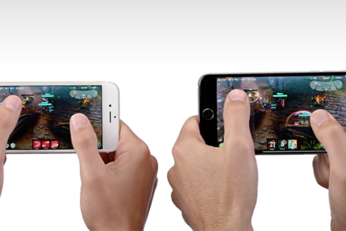
Apple's TV ads for its devices, particularly the iPhone, have always been of keen interest to not only the fans of the Cupertino tech firm, but even its rivals, since they showcase the marketing approach that the company is taking towards ensuring that its products remain a success. Just yesterday, Apple added a couple of more TV spots to its increasing media arsenal, unveiling two ads featuring the duo of Jimmy Fallon and Justin Timberlake. Both these ads highlight specific features of iOS 8, and are targeted for iPhone 6 and the iPhone 6 Plus.
We want the end of 2014 to fill you with wonder and amazement, like the climax to any year should, so we've taken a look at TIME Magazine's annual round-up of the year's best inventions in an attempt to reassure the technology loving world that innovation and creativity has been present throughout 2014.
Apple has announced its Black Friday 2014 deals on iPhone, iPad, iPod, Mac, Apple TV, Beats Electronics products and more. Details can be found right here.
We already knew that the iPhone 6 and iPhone 6 Plus packed quite the computational punch, but new testing by the developers of Mac app WALTR has found that both devices are actually capable of playing 4K video.
The consumer facing Web version of iCloud has just gained support for uploading images to the iCloud Photo Library, a feature which was previously limited to the beta site.
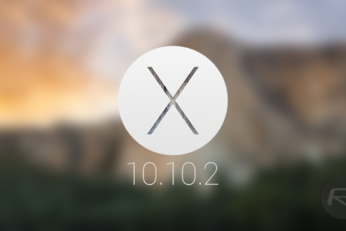
Apple has just seeded the first beta of OS X 10.10.2 to developers. As you can probably tell by the version number, it's a fairly innocuous bump inclusive of bug fixes and other such performance enhancements, but if you're a registered dev, check the details after the break.
Whenever a new piece of iOS software is launched, some devices inevitably get left behind, and many, such as the iPhone 4s and iPad 2 on iOS 8, are subjected to a decidedly limited experience compared with the newer models on the market. It was always somewhat inevitable that these antiquated devices would struggle to cope with the rigors of the new, feature-rich update, and so it has proved, but Apple did promise that those who've stuck by their iPhone 4s or iPad 2 would see improvements with its iOS 8.1.1 download. Were these just empty claims, or does this week's update actually enhance the general user experience for those wielding vintage hardware?
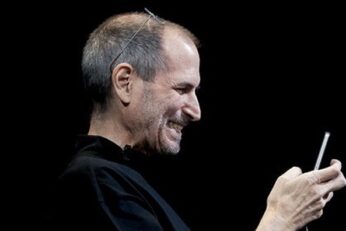
The late Steve Jobs, possibly one of the most iconic individuals and inspirational company founders of our time, suffered numerous setbacks in his career before eventually returning to Cupertino to inject life back into his beloved Apple in a true phoenix from the flames fairytale story. The proposed movie of his life, as scripted by Oscar winner Aaron Sorkin and rumored to be directed by Danny Boyle of Slumdog Millionaire fame, seems set to face a journey of similar obstacles after a surprising turnaround by Sony Pictures.
Apple has today replaced all the ‘FREE’ download buttons with the word ‘GET’ across both the App Store and Mac App Store. The change appears to be worldwide, so you should be seeing it right now no matter which store you happen to frequent.