New photos of Samsung's upcoming flagship devices, Galaxy Note 5 and Galaxy S6 Edge+, have leaked. Both widely believed to be on the verge of an August announcement, the two devices are set to be big releases for Samsung, especially the always popular Galaxy Note lineup.
If you actually stopped and took time to consider the power that you hold within your hand when using your smartphone you'd probably be shocked at how far devices and manufacturers have come in such a short space of time. The announcement and release of the Apple iPhone back in 2007 lit a fire under the smartphone market which for the first time saw mainstream users start to part with as much cash as business users and executives alike. Now, thanks to a brilliantly put together video by CNET, we can take a look at the evolution of smartphone design over the last eight years.
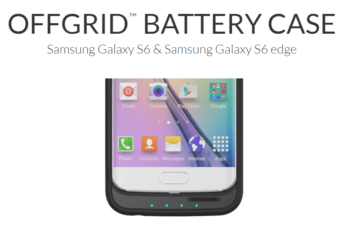
A new smartphone case not just brings additional battery life to Samsung's flagship Galaxy S6 and Galaxy S6 Edge smartphones, but also allows the use of an microSD card for extra storage space as well.
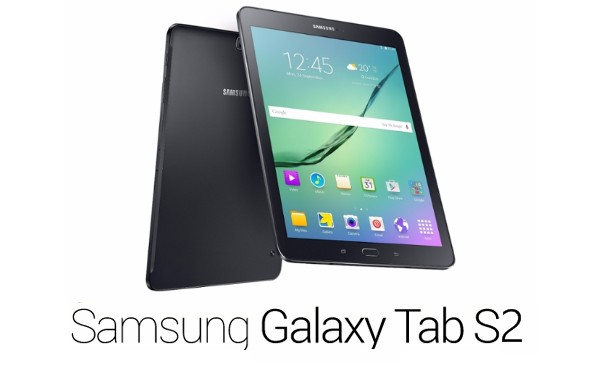
It seems that Samsung is all about the design at the moment. After delighting the Asian market with the introduction of the extremely thin Galaxy A8 last week, the South Korean company has now offered the same level of attention to a new set of tablet devices. The unveiling of the Galaxy Tab S2, which replaces last year's Tab S, represents Samsung's thinnest tablet devices in the history of the company and even offer a sleeker profile than that of Apple's thinnest iPad, the iPad Air 2.
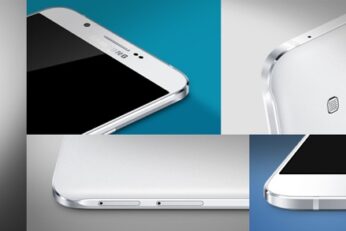
Samsung may still be one of the largest smartphone vendors out there at the moment but the company undeniably has a lot of improvement to make after suffering its seventh consecutive early loss in profits. After pinning its hopes on the Galaxy S6, Samsung is now hoping that the soon-to-be-released Galaxy Note 5 will make a worldwide impact on its profits. In addition to that, the company has also taken the opportunity to introduce the extremely stylish and new Galaxy A8 smartphone in China today.
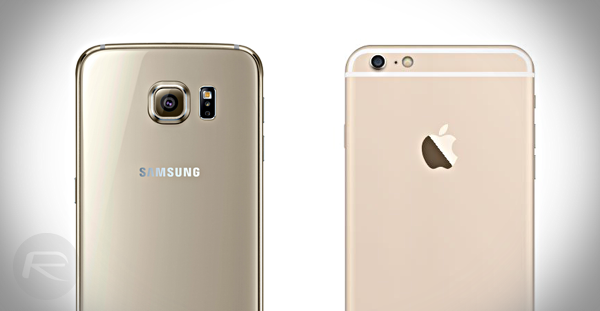
The 'Battle of the Sixes' report has been published by and it makes for some interesting reading. GameBench created the report as an opportunity to create the "first objective comparison of the Apple iPhone 6 and the Samsung Galaxy S6 on the basis of real-world gaming performance." Put simply, if you're heavily into high-end mobile gaming on your smartphone, are you better off investing in Apple's iPhone 6 or Samsung's Galaxy S6? It seems that last year's iPhone 6 is still capable of edging out this year's competition by a good 10% "average lead."
In an announcement that is sure to cause at least some concern to shareholders, Samsung has announced that it expects its Q2 2015 profits to be down four percent on the same period last year. Despite launching a strong portfolio of smartphones during the period, it would seem that Korean based Samsung has misread the potential demand for the devices and admits that sales of the Galaxy S6 have failed to live up to expectations in a competitive marketplace resulting in a profit drop for the seventh consecutive year.
A newly published report suggests that Apple is planning on increasing storage capacity of the entry-level iPhone 6s and 6s Plus. It appears that Apple is in talks with Samsung for supplying these larger flash-based storage units.
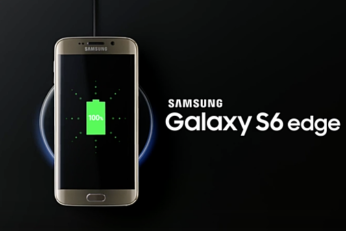
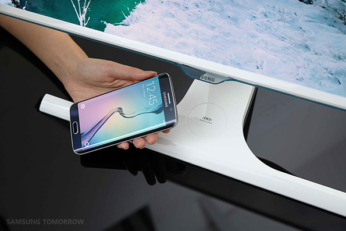
Samsung's latest Galaxy S6 Edge TV spot has plenty of iPhone users fighting to plug their smartphones into a charger, with the obvious answer being to rush out and buy yourself one of Samsung's flagship handsets in order to use its inductive charging. Obviously.
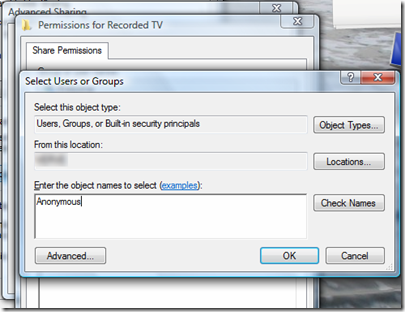
When you purchase a Windows powered desktop or notebook, more often than not you ultimately agree, whether knowingly or unknowingly, to sell your soul to the bloatware demons. Sure, Windows may still be the most popular desktop operating system in the world based on sheer volume, but that doesn’t prevent individual OEMs from forcing their horrendous bloatware down the throats of consumers at every given opportunity. Now, it seems that Samsung, one of the world’s largest manufacturers of PCs, and shippers of bloatware, is taking things a little further by not only forcing its bloatware onto users, but also forcing the shutdown of one of Windows biggest features – automatic updates by Microsoft.