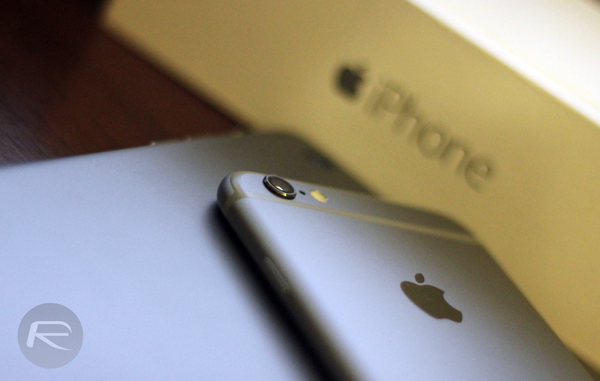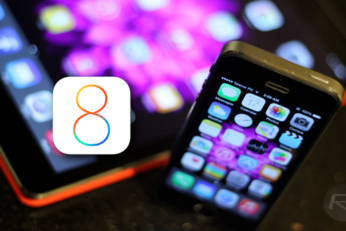
The iPhone 6 and 6 Plus have finally been released, but while the rush of sales may greatly increase Apple's bank balance, market share and ecosystem, there are also some benefits to be had by those rivaling the Cupertino company. Given Apple's plans to roll out iCloud Drive completely along with OS X 10.10 Yosemite in the near future, the battle of the cloud storage services has well and truly commenced, and as new iPhone owners await iCloud Drive's big launch, fierce rival Microsoft has sniffed an opportunity to point consumers in the direction of OneDrive. In what the Xbox maker describes as "a limited time offer" - one that will end before October's iCloud Drive formal rollout - iPhone users can enjoy 30GB of storage for free, with 15GB of basic space allied to 15 GB "camera roll bonus."
The iPhone 6 and the iPhone 6 Plus are well and truly here, and judging by the long lines seen across the world today outside numerous stores, Apple has yet another hit on their hands. But there are still a few lingering questions regarding the device which are begging to be answered, and the one that tops our list is: is the T-Mobile iPhone 6 or iPhone 6 Plus - available on the Apple Store - fully carrier unlocked?
Battery retention is a crucially important factor in owning a mobile device, and although the capacity of a battery plays a significant role in determining how long your smartphone or tablet will be able to play games, surf the Web or make calls, it's not the only consideration that should be made. As well as the efficiency of the processor, software can also be optimized for better battery performance, and given that Apple has just bumped its software version from iOS 7.1.2, we'd expect that battery has also improved, right?
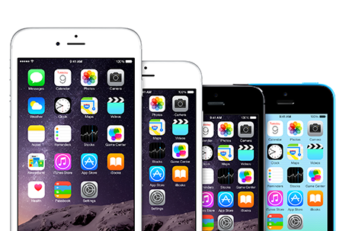
Although the iPhone 6 and iPhone 6 Plus are fairly similar for the most part, there are a number of subtle differences. The display size discrepancy is the most obvious, but it's hard to base a purchasing decision on this factor alone given the number of perks iPhone 6 Plus owners will be able to laud over their iPhone 6-wielding buddies. The rear-facing cameras of each boast 8-megapixel sensors, but critically, the 6 Plus offers optical image stabilization, or OIS, and with both handsets having just gone on sale, we can now get our first proper look at the point-and-shoot experiences of each.
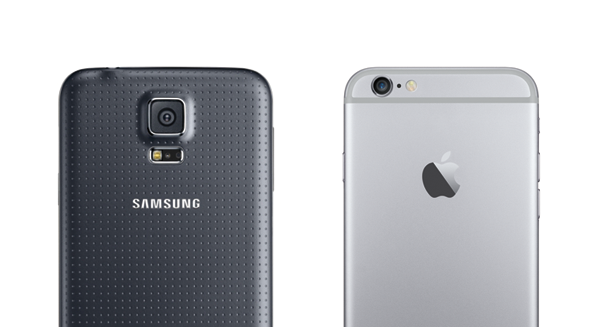
It was offered by a number of analysts even prior to the iPhone 6's release that Apple's decision to enlarge the display would not only prompt a record number of upgrades - which pre-order numbers appear to back up - but that also, Android users would switch in their droves. Given that the general sale has yet to commence throughout the world as yet, it's hard to make any definitive judgments, but according to one report, quite a few Droidsters have ditched Google's platform for the iPhone 6 / 6 Plus on iOS 8.
With the new iPhone 6 and iPhone 6 Plus now beginning to go on sale around the world, eager buyers are lining up in order to try and make sure they're amongst the first to walk away with Apple's latest wares. But what do you do when you've lined up for hours in the cold in order to spend a small fortune on a new smartphone?
So, iOS 8 is now officially out in the wild for everyone, and like iOS 7, it is expected that a large portion of the iPhone and iPad-owning community will quickly jump on the new software. But have you, our wonderful army of readers, decided to take the plunge and install iOS 8 on your device? We'd love to know if you've joined the ranks of the early adopters, so be sure to cast your vote in our poll below.
The Pebble smartwatch, which generated a colossal amount of hype when it emerged on Kickstarter, has essentially kick-started the market for wrist-worn gadgetry, and while the team behind this wondrously successful device have worked tirelessly in updating and improving it, there's also a feeling that Android Wear and the new Apple Watch range will be too much for an outfit like Pebble to compete with. Nevertheless, the Pebble is still in a very strong position all told, and today, has pushed a significant firmware update that includes a myriad of features. Details, as ever, can be seen after the fold.
The Twitter app for iOS has always been a tad sub-par to the standards of many ardent tweeters, but while third-party apps like Tweetbot have managed to flourish over the years, the social company continues to tweak and improve the official offering. Today's update focuses heavily on profiles, which have been subject to a major revamp over the past few months, and given that the desktop Web version looks very much like Facebook, one could argue that the mobile app now offers a layout not too dissimilar to the official Facebook app.
The Family Sharing feature, as the name implies, will allow families and groups of people to share apps without having to connect to the same Apple ID. Since the introduction of the App Store, folks have shared the same account in order to save on buying many of the exact same apps or content, but the system is flawed in that every user of said account then has a list of content that they don't want or need, and never actually downloaded in the first place. To resolve this, Family Sharing essentially binds a number of Apple IDs into one parent account, and provided that they all feed from the same credit or debit card, can readily go ahead and download apps and content purchased by other members of the same family.