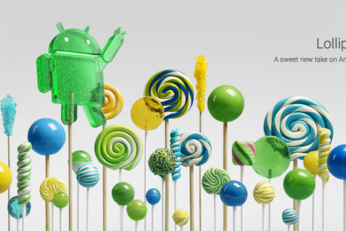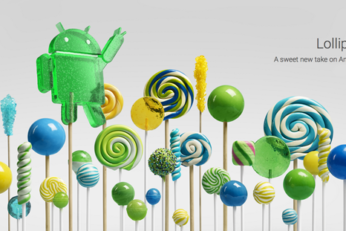
Android L finally got a proper name in the form of Lollipop, the latest addition to Google's growing collection of sweets and desserts that signify Android - the open-source operating system for smartphones, tablets and wearables. With Android 5.0 Lollipop not only did Google introduce the gorgeous new Material Design UI - which, by the way, actually does wonders on the Android aesthetics front - but also a slew of new features. As with any major OS release, the biggest question with Android Lollipop also remains as to when you can get it on your device for actual use. Well, some reliable sources say that the Nexus 7 (both 2012 and 2013-Wi-Fi variants) and the Nexus 10 will be getting Android Lollipop as early as November 3rd this year.
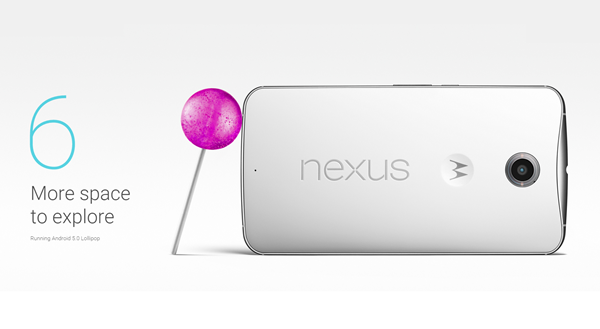
Google finally revealed the Nexus 6 on Wednesday, along with a bunch of other firsts for the search giant. The Motorola designed Nexus 6, is the first ever Nexus device from Motorola, and it is Google’s first attempt at a phablet. Now here’s a look at what is, the first unboxing video of the Nexus 6.
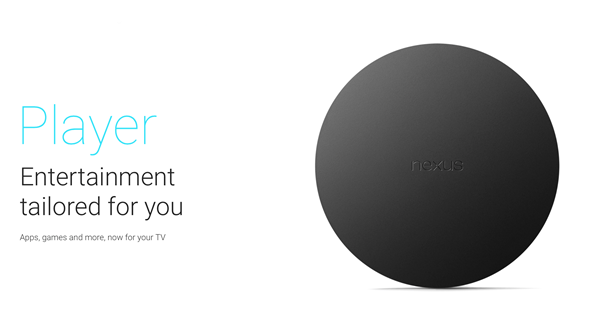
The moment Android fans had been waiting for has finally arrived! Google has announced the release of Android 5.0 Lollipop - the latest version of the world's most popular mobile platform. Google is throwing in their latest OS with their new debutants: the Nexus 6 smartphone, Nexus 9 tablet and the Nexus Player streaming device. For those of you with the Nexus 4, 5, 7, 10 and Google Play Edition devices, Google will be reaching out to you in the coming weeks!
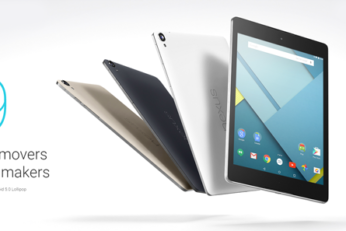
It's been a busy day today as far as Google is concerned, and alongside the all-new Nexus 6, the Mountain View outfit has drafted in the services of Taiwan-based HTC for its next major tablet. With the Motorola-made Nexus 6 set to be the first handset running on Android Lollipop right from the get-go, the Nexus 9 will follow suit for the larger occupants of the mobile world, and given that it's made by HTC - designer of some highly-regarded smartphones over the past couple of years as you may recall - we've been very intrigued to take the wraps off this particular slate. Now, Google has put paid to the rumors, offering glimpses of the tablet as well those all-important specs, and here, we dig through them all to see if it has justified the hoopla.
There's good news on the horizon for members of the Google Glass Explorers initiative. As part of the continued development of the internal software that powers Google's intelligent eyewear, the company has introduced a new feature that will allow users to view all phone notifications via Glass. As things stand at the moment, Glass owners are only able to view and interact with notifications that are presented as part of Glass compatible apps. This will be extended to fall in line with the notification-forwarding system that allows Android Wear wearables to receive every notification as it's received on the connected device.
Google's next big release of Android, currently simply known as Android L is only a short time away from release and it's certain to undergo a name change before landing on the phones and tablets of users around the globe. In order to follow along with the current naming convention of choosing a name based on desserts that begin with the next letter in a sequence, Google only has so many options to choose from.
Android is not new to news of security bugs and vulnerabilities, but continues to roll on in spite of such news. Just recently, Rafay Baloch of RBH discovered a vulnerability in Android’s stock browser, including all browsers based on the stock AOSP code. This vulnerability was a serious one which caused the browser to fail in enforcing the Same Origin Policy (SOP) protocol, which basically governs how content from multiple resources is securely loaded into the browser. While this issue plagued pre-KitKat devices, Google was quick in patching it up. However, given the nature of Android’s ecosystem, updates aren’t rolled out that quickly, resulting in almost 45% Android devices out there that remain vulnerable according to the security experts at Lookout. Please note that this data is based on their apps user-base that is over 100 million, so it does make an interesting case nonetheless.
As well as continually peddling apps and services for the consumer, Google also focuses its attention on business and enterprise, and in what appears to be a concerted push to broaden its library of apps on Apple's iOS, has just released Primer for iPhone.
The Google Nexus 6 is apparently set to hit the market in the next few weeks along with the company's Android L software, and having caught several glimpses of the device already, we know that it's going to look almost identical to the 2nd-gen Moto X but with a much larger display. To be precise, reports are suggesting a panel with a diameter of 5.92 inches - bigger than the iPhone 6 Plus and even Samsung's all-new Galaxy Note 4 - and although the fact that it eclipses any Note that Samsung has ever released gives us an idea as to its sheer monstrousness, a new clip puts things into perspective by pitting a Nexus 6 mockup / render against some of the market's other high-end handsets.
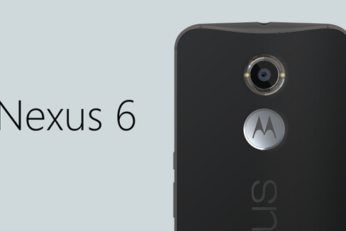
From what we know of the upcoming Google Nexus 6, should that indeed be its name, it will include a large, 2K display, run on the all-new Android L, and instead of LG, will this time be manufactured by Motorola. Given that the Google subsidiary has taken the manufacturing reigns, it should come as no surprise that the leaks of the Nexus 6 have revealed a number of Motorola-inspired design quirks, and in a new set of renders, we get clear look of the overall aesthetic.