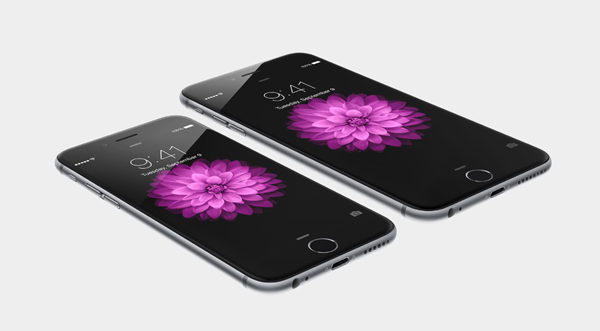
Now that Apple has finally lifted the lid on what was possibly the worst kept secret in smartphone history, we can start looking into the things that actually matter to potential purchasers of the iPhone 6 and iPhone 6 Plus.
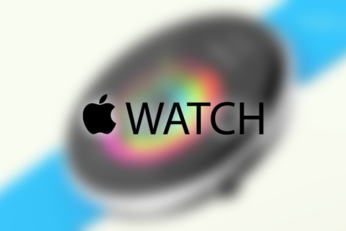
The Apple Watch was finally revealed on Tuesday at Apple's special keynote address, but while many have been quick to praise the numerous designs on offer, the three main variants are very much alike. Notably, they all take the same shape, with a rectangular display akin to the vast majority of smartwatches already available. But in the world of real watches, rounder faces are abundant, and you only have to take a look at the much-lauded Moto 360 from Motorola to get an idea of what a circular wearable looks like. Thanks to some new concept images that have trickled out onto the Web, we now have a visual on what Apple Watch may have looked like if it was more traditional-looking, and below, you can check it out.
Although the company was quite clearly pushed for time, the iPhone 6 / Apple Watch parade on Tuesday seemed to pass without incident. As ever, it was a grand spectacle (unless you happened to be tuning in via Apple TV in certain areas), and after a lengthy period of preparation at the Flint Center in Cupertino, Apple managed to announce its key new products and features inside the usual two-hour limit. The Apple Watch was the real clincher - a product category that the Mac maker has never previously attempted - and if you enjoyed the original unveiling, you can now catch extended backstage coverage in a clip featuring interviews with CEO Tim Cook and design lead Jony Ive.
In a fortnight that has seen Apple's iCloud slandered and deemed culpable for the spate of celebrity image leaks, it's certainly been a test of the online storage service's mettle. But with the iPhone 6, iPhone 6 Plus and Apple Watch having all appeared during the past 48 hours, all seems forgiven - at least, for now - and so with the world completely distracted by these shiny new gadgets, the Cupertino company has taken this opportunity to bring its new pricing structure into effect.
Apple's iPhone launch days are always busy, and if you've ever previously queued for the latest device on the very first morning, you'll know that it can be a long, tedious wait. Sure, the system whereby staff hand out paper cards, detailing the exact configuration of the iPhone you require is efficient, since it means you're not wasting time if the specific handset you want has sold out, but given the technology at Apple's disposal, the process does seem rather antiquated. This is why, on iPhone 6 launch day, Apple will be rolling out an entirely new, digital queuing system, a revamp of the old model that is more precise and flexible for customers.
Despite the stringent measures being put in place by software makers far and wide, large-scale security breaches remain a black cloud over modern technology, and today, a Russian Bitcoin site has leaked a total of 5 million Gmail addresses and passwords. Initially, it was suspected that the leaks were of passwords specific to the Gmail account in question, although now, it seems that the credentials have been snatched from external websites of users who signed up using a Google email.
Apple Pay will be integral to the iOS experience moving forward, and while both of the company's new iPhone models are equipped with NFC to begin processing mobile payments very soon, Apple Watch will also be joining the party when the wearable line-up launches early on next year. We've heard much about Apple Pay already over the past 24 or so hours, and courtesy of a new hands-on video demonstration, we get to see how a typical payment at an Apple Pay-ready retailer will pan out.
Apple's kill-switch feature added to the iOS repertoire last year has helped to greatly reduce the number of iPhone-related thefts in particular. But with Apple Watch now here and integrated with Apple Pay for seamless mobile payments, security is once again the order of the day. As we begin to wonder how the wearable will protect users' data and prevent unauthorized parties from going on a shopping spree with an ill-obtained Apple Watch, details are now emerging as to the measures in place.
Apple finally took the wraps off its inaugural smartwatch efforts yesterday, and although the introduction was rather brief, new tidbits of information are emerging all the time. One detail conspicuous by its absence was that of battery life, which Apple scarcely discussed. While both the iPhone 6 and iPhone 6 Plus got a detailed breakdown of battery life, there wasn't so much as a mention of the Apple Watch's retention rates, and it has now been suggested that this is because Apple wants to improve the current state of play prior to the roll-out next year.
Given the recent spate of celebrity phone compromising, allied to the fact that Apple is about to roll out its new mobile payment system with iOS 8 and the new iPhone 6 / 6 Plus, and it's fair to say that these are testing times for the company. From a security point of view, the Mac maker will want to avoid any more high-profile gaffes as it looks to win the trust of the consumer market, and although the new iOS 8 GM has fixed some vulnerabilities first highlighted by a seasoned security researchdf, a few still continue to linger.