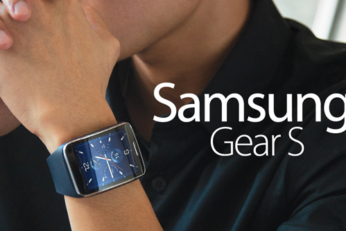
Although we're still waiting on the Apple iWatch and the myriad of vendors set to push out smartwatches on Android Wear, Samsung has been incredibly busy over the past twelve months. Having launched the less than appealing Galaxy Gear alongside the Galaxy Note 3 at last year's IFA, the Korean outfit then went on and showcased the Gear 2 and Gear Fit at the Mobile World Congress, and with the Gear Live announced for Android Wear at I/O, the company is still not done. For a while, it has been rumored that Sammy would unveil a device packing its own data connection, unlike the current fleet of smartphone-dependent watches, and today, the cellular Gear S has been officially unveiled.
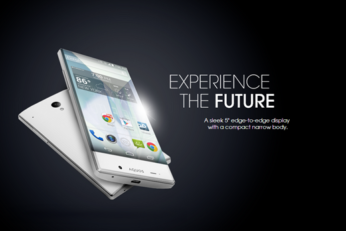
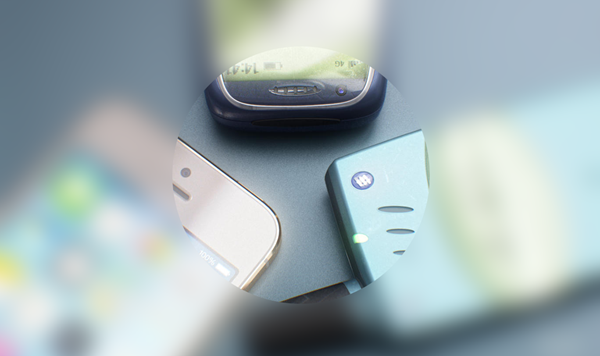
Although the smartphone world has continued to expand and improve over the past few years, it's been a while since any company sought to change the game with something new and innovative. But while prominent display maker Sharp has, for the large part in recent times, stepped back and focused on developing and producing panels, its new AQUOS Crystal series boasts a bezel-free, frameless profile that not only maximizes display real estate in proportion to form factor, but as you'll see below, is rather easy on the eye.
Although they don't garner as much attention from the consumer end of the tech spectrum, security conferences are actually pivotal to the overall health of modern technology. Exposing flaws and lapses in both software and hardware, they greatly benefit the wider ecosystem, and whether you're a jailbreaker, modder or out-and-out hacker, your staple tech diet is in some way affected by the world of security exploits.
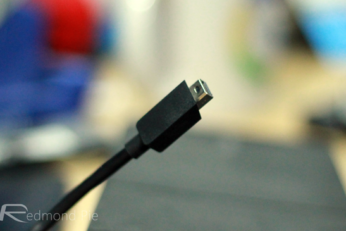
If you’re one of the millions of individuals around the world that suffers from the daily frustration of plugging in a USB cable the wrong way then prepare yourself to be overcome with relief and hysterical excitement. The USB 3.0 Promoter Group has today announced the finalization of a specification that defines a new type of USB cable, bringing to an end the anger and confusion that’s felt by us all on a daily basis.
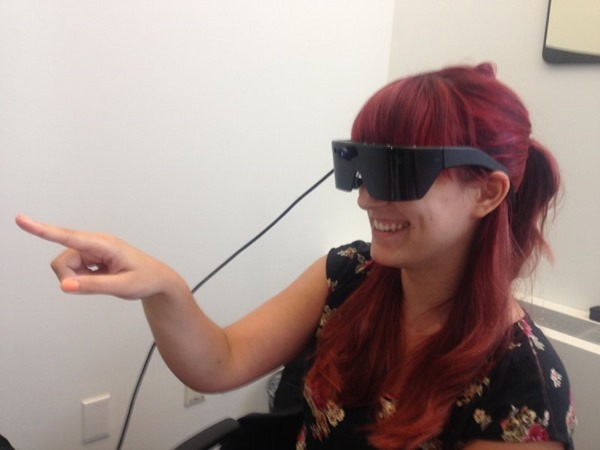
Wireless charging has come along in leaps and bounds over the past few years, but whilst the ability to power up a device from a short distance away is somewhat useful, it's still not convenient enough to convince most consumers that USB cables are redundant in this respect. Sure, wire-free charging seems an inevitable part of our digital future, but there's also a lingering feeling that there's much work to be done until it becomes a necessity, and several groups are looking to push the boundaries and bring these visions to reality. One system, which uses ultrasound to power devices that may, for example, be roaming on the other side of a room, is a prime example, and after years of development, looks a very exciting inroad.
Smartwatches are all the rage these days, and while most eyes are on Apple and its unaccounted iWatch, watch maker Timex has announced its own smartwatch that has one major selling point over almost all of the competition.
After years of trying to make airlines and everyone involved with the aviation industry realize that mobile phones on planes weren't a recipe for disaster, it seems that once again we may be banned from using them in the air.
Smartwatches are all the rage right now, even though few real products have shipped out of any of what we would expect to be big players in the fledgling market. One big technology player who we might not expect to turn its hand to the quest for the fashion accessory of the year is HP, but it seems that the company that sells servers to the enterprise is also working on selling watches to consumers.
The digital world is constantly under threat from security breaches, but often an attack prevails over even the best defenses. Case in point, a new attack to be outlined at the annual Black Hat security conference which, among the usual spate of interesting tricks, touts itself as one of the most significant threats ever seen.
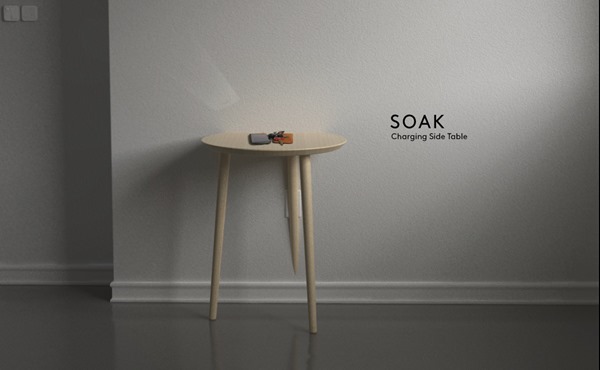
As with the idea of packing a camera into a mobile device all those years ago, wireless charging facilities have been met with the usual dose of skepticism. But while they mightn't yet be viewed as a necessity, more and more consumers are on the lookout for this feature, and with technologies now advancing, it may well be that soon, we'll all be ditching those darned wires. Inductive, predominately Qi-based charging solutions have made real headway in the market, but given how inductive charging - by its very nature - requires the device to be in contact with the charging mat, it's not exactly ideal. It's for this reason that most are happy to stick with cables, but fairly soon, this could change, with new inroads being made that could allow a device to be powered up from up to two inches away.