Google's annual I/O conference may be extremely useful for developers from all over the world to sit down with Google engineers and get advice on how to better structure code and build more efficient apps, but it's also an excellent opportunity for the average technology fan to get an insight into the future of smart products. At last year's I/O, Google took the opportunity to announce a partnership with Levi's that would ultimately result in the production of a wearable item manufactured from a 'smart fabric'. Twelve months later, Google has used this year's gathering in Mountain View to announce that its 'Project Jacquard' team in collaboration with Levi's, will be releasing a smart version of the Levi's Commuter Trucker Jacket for sale by next year.
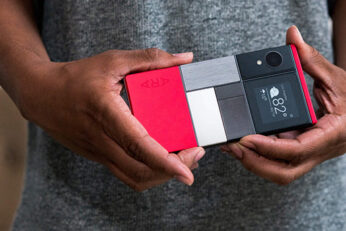
It turns out that Google's Project Ara might actually be about to turn into a real thing after Google today announced that it would be in a position to ship developer hardware to those who need it as soon as Q4 of this year, with consumer version set for release in 2017.
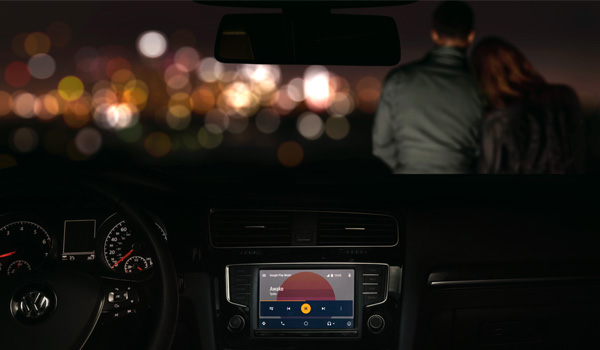
Google is planning to release a standalone Android Auto app later this year, which will allow users to take advantage of what the platform has to offer, but without the need for a specific Android Auto-compatible car.
Google has made available for download Android N beta (Developer Preview 3) build NPD35K for Nexus 6P, 6, 5X, 9, Pixel C, Xperia Z3, Nexus Player, and some Android One devices.
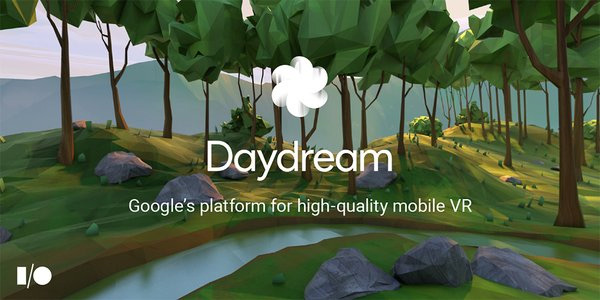
Like a plethora of other companies and newly founded startups, Google is using its vast resources to dive two feet first into the world of virtual reality. The Alphabet-owned company has used the opening keynote of its I/O 2016 conference in Mountain View to introduce Daydream, a virtual reality platform that leverages the power and versatility of Android N as the underlying operating system. In its purest form, Daydream is a much more advanced successor to Cardboard, Google's budget virtual reality technology that has allowed many more people to get involved in the world of virtual reality.
The goodies just keep on coming out of this year's Google I/O conference. Developers and technology aficionados will get to spend the rest of the week meeting Google engineers and dropping in on a variety of workshops designed to introduce the future of technology. However, the opening keynote is generally the place where the magic happens, and yet again it hasn't disappointed with the introduction of Google Allo and Google Duo, two new apps coming to iOS and Android this summer.
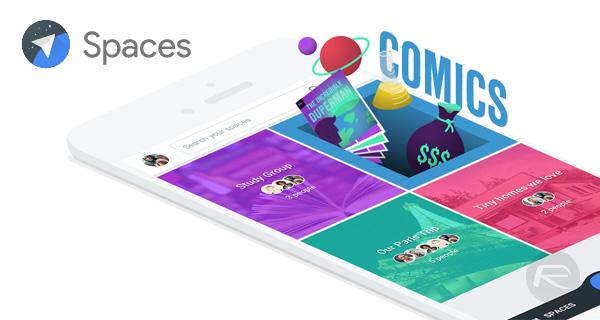
Google has outed a new teamwork and collaboration app for Android, iOS and the Web called Spaces, and it's available to anyone who has a Google account.
Google has revealed plans for its Chrome web browser that will hammer yet another nail into the coffin that has been engineered to be the final resting place of Adobe's Flash technology. The behemoth company, and developer and publisher of the Chrome web browser, has announced plans to phase out support for Adobe's Flash Player. The announcement means that Google hopes to disable support for Flash content on all websites by the end of the current calendar year, though it will have a caveat built into the browser in the form of a white-list exemption rule for the world's top ten domains still using Flash. This whitelist will expire after one year.
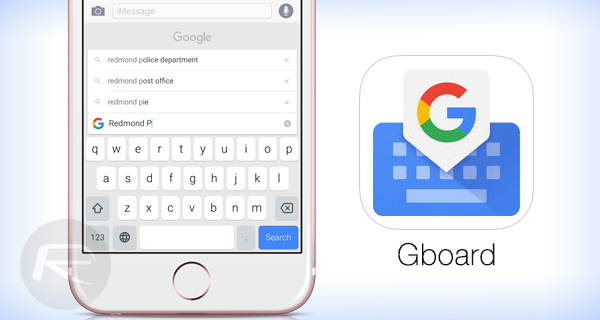
After releasing Gboard for iOS, Google was immediately questioned as to whether users of Android devices could expect to see the keyboard, or at least its features make the jump from iOS to Android any time soon. As it turns out, the answer is yes.
Apple's 3D Touch technology may be found in anything from a MacBook to an Apple Watch, but it's its implementation on the iPhone which Google has been rumored to be set to essentially mimic for Android, but new claims suggest that the company isn't yet ready to announce its own 3D Touch technology as part of Android N as first believed, canning it for an unknown period of time.