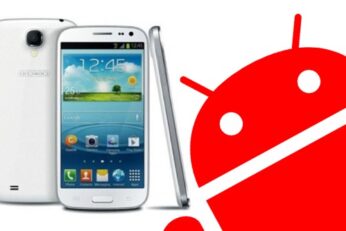
Sometimes we just start writing something and then have to stop to make sure we're not going completely crazy. This story is one such effort, and we're sure you'll understand why when you read the next sentence: Al-Qaeda prefers Android over Apple's iOS as its mobile operating system of choice.

The owners and developers behind the popular XBMC software have announced a name change that will see the software rebranded as 'Kodi'. The name change has been a long time coming in fairness, with the outgoing title suggesting to users that the powerful software is capable of being installed and invoked on Microsoft's Xbox gaming consoles. That may have been true once upon a time, but XBMC hasn't been capable of running on an Xbox since the original hardware release, with no compatibility being offered with Microsoft's 360 or One offerings. The rebrand will see the software welcome in its third name change in the last 12 years and should also provide some much-needed clarity on the Xbox compatibility issues.
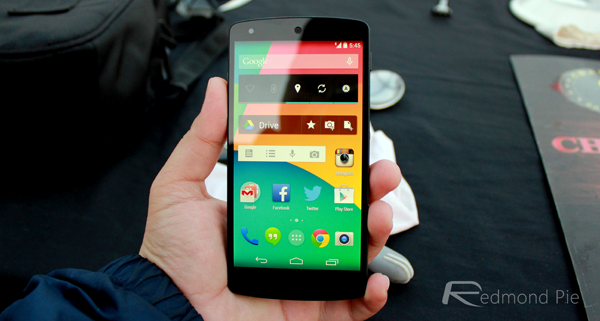
Apart from the myriad of changes that accompanied Android KitKat, one of its highlighting feature was the Google Now Launcher, which had a unique look and feel from all app launchers we’ve seen from Google to date. Granted, it’s a complete stock offering, and its bare minimum features assure that everything is there when needed without being hungry on resources. But why should only KitKat users cherish all the benefits of it? Well that’s about to change, as from today, Google’s app launcher is now compatible with devices running Android 4.1 Jelly Bean and up, bringing its support to millions of devices worldwide.
Self-destructible photo messages are nothing new. After all, Snapchat set the ball rolling and then the likes of Facebook and Instagram jumped on for good measure. If you need your photos to go bye-bye automatically, then you're not exactly short of options right now.
Flappy Bird made a dramatic exit from the iTunes App Store and the Google Play Store, leaving users scratching their heads as to when it will make its dramatic return. Though its developer - Dong Nguyen - had promised that it will make a comeback, with gameplay slightly toned down as to prevent frustration among players, but now, the game has returned, but there’s a catch.
If you’re a cellular customer in the United States, today marks a very important day for you. As of today, cellular unlocking is legal in the U.S. again - which basically means you can now unlock your mobile phone, including the iPhone or any Android smartphone, to work on any carrier in the country. According to the White House, President Barack Obama is signing the Unlocking Consumer Choice and Wireless Competition Act today.
Samsung is licking its wounds today after IDC estimated that it saw a very rare year-on-year drop in smartphone market share during the second quarter of 2014, which will concern a company that is historically used to its percentages going in the opposite direction.
As our smartphones, watches, tablets and even cars have begun to make ever-increasing use of battery power, those batteries haven't quite managed to keep up. We're charging our smartphones at least once a day, and the new smartwatches on the market don't do much better. Cars need recharging at worryingly short intervals, and at this point it's arguable that we've been held back by the amount of juice we can give things. Something has to change.
New 'Fake ID' security bug has now been found in Android that allows a malicious app to send faked credentials, disguising itself as a legitimate app. The security firm credited with discovering this new malware feels there's genuine cause for alarm.
In spite of the fact that our smartphones are already capable of processing payments and unlocking doors, we're still quite a way off ditching the traditional card and key from our still-lengthy list of pocket fodder. The Hilton Hotel chain, which already allows those staying to check in using their mobile devices, will soon permit guests to use them for purpose of entering and exiting a room during their stay, promoting the kind of seamlessness that already ought to be a feature at such a high-end chain.