Oliver Haslam has written about technology for over a decade. His work has been published in print at Macworld and online pretty much everywhere else. If it plugs in or has a battery, it's fair game.
If you hanker after a little more control over what your Moto G does when you're taking photos, then your wish is about to be granted thanks to the most simple of hacks.
The biggest stories in technology these days tend to be about smartphones. Even with smartwatches threatening to take over as the most talked about, highly anticipated hardware releases going, the not-so-humble smartphone still manages to truly capture the imagination like few other new releases.
Apple's release of iOS 8.0.2 brought with it not just the rather important fixes for some rather massive bugs, but also finally brought the world of third-party apps in line with the new HealthKit framework originally touted for iOS 8. After pulling support for apps that tied into Health from the final release of the latest big release of its mobile OS, Apple has now re-instated it while pushing a handful of app updates that mean users can now take advantage of the company's attempt to put all our health and fitness data into one place.
When Apple announced iOS 8 a few months ago, one of the first questions on everyone's lips was which older devices the new software would support. As it turned out, the iPhone 4s and iPad 2 along with the iPad mini are the oldest machines to be able to be updated to iOS 8. Owners of those devices rejoiced.
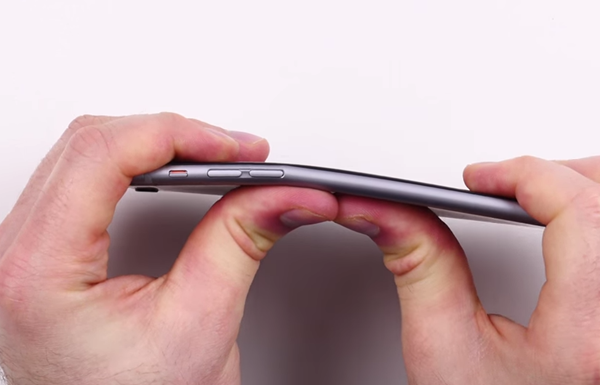
Try as it might, Apple just can't get a major new iPhone release out the door without some sort of controversy. The latest of those is of course Bendgate, and is all about whether or not the iPhone 6 and iPhone 6 Plus are a little too flexible for their own good. The iPhone 6 Plus in particular has come in for quite a lot of criticism, mainly from YouTube videos showing handsets being bent under not inconsiderable force.
If you're the kind of person that worries about whether they're being tracked by a faceless corporation, then you're probably spending most of your nights holding your iPhone and rocking back and forth in a corner at this point. It's probably safe to say that with all the sensors built into the iPhone and iPad, both devices are capable of tracking us down.
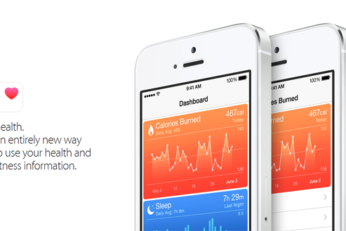
When Apple first touted iOS 8, one of its biggest features was Health, an app that was expected to act as the cornerstone to all out health and wellbeing apps. Touted to be a hub for all the disparate information collected by third-party health trackers and the like, Health was, and still is, quite exciting for those who like to keep track of their health and fitness.
Up until a couple of years ago, the idea of having a smartphone that was waterproof was just a pipe dream, but now both Sony and Samsung have been at the forefront of offering devices that not just take to water in a somewhat duck-like fashion, but are also equally happy to waddle around in dust, too. Water and dust resistance is a feature that many had hoped would come to the new iPhones when Apple announced them a couple of weeks ago, but it wasn't to be.