
WhatsApp is, beyond question and doubt, one of the most popular IM apps across all smartphone platforms. Its massive success was what prompted Facebook to cough up billions of dollars in order to acquire the instant messaging service with its 500-million strong user base. WhatsApp enjoys its success for the quality of the service that it provides (especially over the competition), and soon it will be adding more to its arsenal, in the form of voice calling.

Looks like Skype for the Android platform has a serious flaw - or vulnerability - waiting to be exploited. Apparently, this flaw can potentially allow anyone on any platform using Skype to tap into the Android user's phone's camera and mic. For more on this, read on after the jump.
In its bid to take on Xiaomi as the top brand contender, Meizu is churning out new Android smartphones, with the latest being the M1 Note phablet, and it looks a lot like the iPhone 5c. A lot!
Here's a list of the top 10 best smartphones from the year 2014, ranked in the order. For the complete list, simply head past the jump.
Here’s how you can check which apps on your Android device have Device administrator privileges and remove suspicious ones instantly. Read on after the jump for the complete steps.
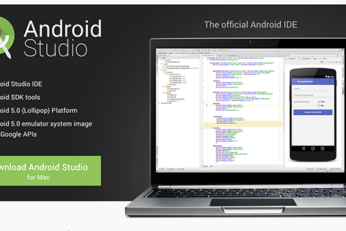
You only have to look at the number and sheer diversity of the Google Play Store's app hub to gauge how many developers are currently working on creating, updating and improving upon the vast array of mobile apps that have manifested over the past few years. The Big G announced all the way back in 2013 that it was working on an Integrated Development Environment (IDE), an infrastructure designed to enhance and improve the process of developing apps, and now, Android Studio 1.0 is ready for prime time for those running Windows, OS X and Linux. Full details, as well as info on how you can get started with Android Studio, can be seen below.
Bloatware is the bane of many mobile users' lives, and in fact, you'd be hard-pushed to find anybody who is in favor of having immovable, mandatory apps taking up precious storage space even if they're not wanted nor needed. But in a story that will surely be the subject of a massive backlash across the Android community, a newly rolled-out service will begin to allow both device manufacturers and network operators to "post-load" apps without the permission of the owner.
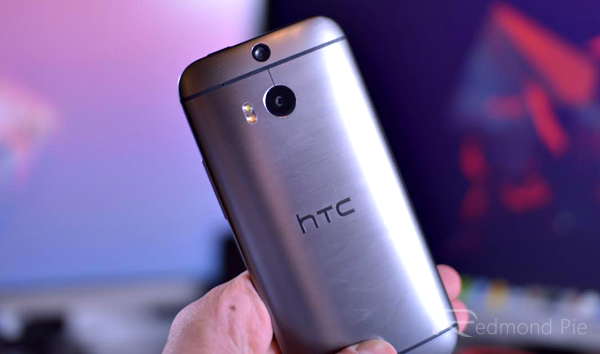
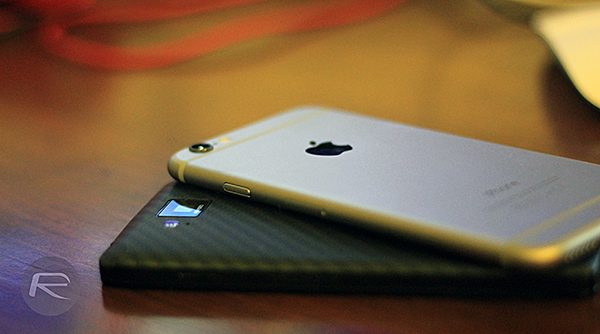
Before I dare utter another word, I'd like to make it known that when it comes to the battle of the mobile ecosystems, I'm completely impartial. I love iOS, iPhone, and Apple products in general, but there's something about Android, namely Android smartphones, that always has me flirting with the likes of HTC One, among others. There's no doubt, at least, to my mind, that Tim Cook and his team have pushed a pivotal piece of software in iOS 8, adding a number of features that many have long since pined for, but there are still some features that I really miss whenever I'm using an iPhone.
There is a lot of talk right now about Apple's decision not to throw multiple gigabytes of memory at the iPhone 6 and iPhone 6 Plus, especially in light of how makers of Android smartphones tend to offer memory upwards of 2GB. Why, when some Android phones have up to three times as much memory, does the iPhone perform so well?
Things are definitely changing at Google, after The Wall Street Journal reported that the company's former head of Android Andy Rubin is leaving the company.