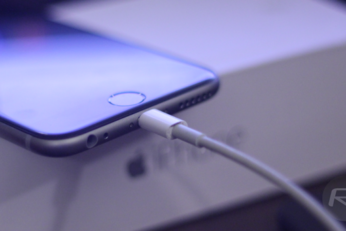
The Apple iPhone 6 has been unboxed at least ten million times since launching some eight days ago, and although some folks have a ritualistic system for how they unravel their gadgets, few will have played out like this one.
There has been much talk about Microsoft's upcoming Windows 9 just recently, particular with regards to its features. But the actual name of the next major release is still something of a mystery, and given that 'Windows 9' is merely a reference point for an upcoming product, like the "Nintendo Revolution" or the "Xbox 720", it is expected that the software giant will seek a different direction after Windows 7 and Windows 8.
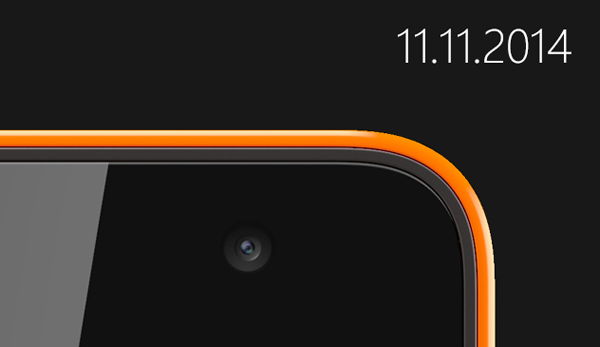
Google's Nexus line of smartphones and tablets have long since offered consumers a completely unadulterated Android experience, as well as decent hardware, at a price considerably lower than competitors. After last year's Nexus 5, which was manufactured by LG, Google's very own Motorola has been tasked with the role of building its successor, which is expected to arrive at some point in the coming weeks. Now, we have a couple of leaked snaps that apparently allow use a sneak preview of what's in store, and below, you can check it out.
When Apple announced iOS 8 a few months ago, one of the first questions on everyone's lips was which older devices the new software would support. As it turned out, the iPhone 4s and iPad 2 along with the iPad mini are the oldest machines to be able to be updated to iOS 8. Owners of those devices rejoiced.
iOS 7.1.1, iOS 7.1.2 and iOS 7.1 untethered jailbreak has now been released. We have covered it in detailed in separate posts given right below.
Try as it might, Apple just can't get a major new iPhone release out the door without some sort of controversy. The latest of those is of course Bendgate, and is all about whether or not the iPhone 6 and iPhone 6 Plus are a little too flexible for their own good. The iPhone 6 Plus in particular has come in for quite a lot of criticism, mainly from YouTube videos showing handsets being bent under not inconsiderable force.
The eventual - and successful - release of iOS 8.0.2 has not only saved Apple from further iOS related embarrassment, but it's also acted as a catalyst for another internal decision. Hours after successfully pushing out the latest version of iOS, which introduces a number of new features as well as fixing some serious bugs that were accidentally introduced with 8.0.1, Apple has also stopped digitally signing the iOS 7.1.2 firmware, making it impossible for users to downgrade from iOS 8.
iOS 8, which saw the light of day merely 10 days back, held so much promise for users in terms of new features and apps. Yet, the public release of the new iPhone and iPad software was plagued by bugs and issues all over. To that end, Apple had to push out iOS 8.0.1 in less than a week to fix some of the major challenges and bugs in the new software. However, iOS 8.0.1 turned out to be a tragic story of its own; the "fixed" update broke more than what it had patched. For most iPhone 6 and iPhone 6 Plus users, the update ended up breaking cellular service and Touch ID, effectively making their shiny new iPhones a smaller version of the iPad mini (with a beefed up hardware). Thus came iOS 8.0.2.
A while back, when the world was made aware of the Heartbleed bug, there was hue and cry all over, mainly because the bug was discovered in a system that was widely used and implemented across the Internet. Today, a new threat has surfaced that's perhaps bigger than Heartbleed. Labeled the Bash bug - or Shellshock - the new vulnerability affects almost all Linux and Unix based systems, as the vulnerability exists in the Bash command that's widely implemented in Unix systems. The good news, at least for Mac OS X users, is that Apple is actively working to patch it and release a fix that can put users' minds at ease.
We're another 24 hours into the iPhone 6 and iPhone 6 Plus's lifecycle and it seems the absurdness surrounding 'Bendgate' just isn't going to go away. Following YouTube videos showing Apple's new smartphones being bent out of shape using not inconsiderable force, Apple has seen fit to lift the lid on its own internal testing in an attempt to try and put people's minds at ease.