If you're in the market for a new smartphone, but took the opportunity to pass on Apple's recently released iPhone 6 and iPhone 6 Plus in the hope that rumors pertaining to the Google Nexus 6 might be true, then you could be in luck.
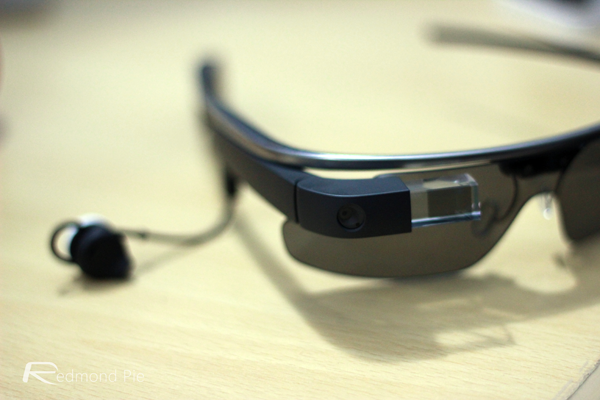
The world of wearables is currently amid something of a boom, and with Google Glass having recently arrived at the Play Store, head-mounted gadgets continue to arouse interest. Several other big-name vendors in the tech game have also sought to get in on the act, and among them, Japanese outfit Sony has been working on some eyewear of its own. The SmartEyeglass, as it is named, will be heading to market in March of 2015, and today, the PlayStation maker has released the SDK.
Via its official Google for Work Blogspot page, Google has announced a new feature for iPhone and iPad users by the name of iOS Sync for Google Apps. As the name implies, the feature will serve as an all-in-one management tool for Apple devices, and will be baked into Google Drive and Gmail. It will essentially operate as the Apple-based alternative to the Android device management tool, and full details can be seen right after the fold.
Despite the stringent measures being put in place by software makers far and wide, large-scale security breaches remain a black cloud over modern technology, and today, a Russian Bitcoin site has leaked a total of 5 million Gmail addresses and passwords. Initially, it was suspected that the leaks were of passwords specific to the Gmail account in question, although now, it seems that the credentials have been snatched from external websites of users who signed up using a Google email.
The guest accounts feature present on most desktop operating systems is key, for it allows users to share their devices and machines with friends or family whilst maintaining privacy. If you just wish to let somebody use the Web for a quick search, though, logging out of your own account and loading up the guest profile is a bit of a drawn-out process. A new Chrome beta released by Google makes it easier to share your Chrome browser with the aforementioned thanks to the introduction of guest mode, meaning that you can permit folk to surf the Web on your device without potentially revealing any of your data.
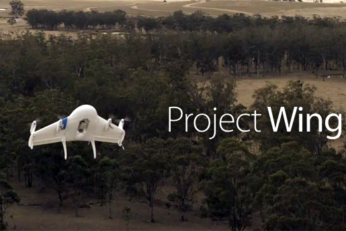
As well as continuing work on its bread-and-butter services like Search, Maps and Android, Google is always looking to expand with intriguing, innovative advancements. Project Ara is one, Project Glass another, and with self-driving cars also in the works, the Big G has just showcased Project Wing. A drone-powered courier service, Project Wing appears to be a competitor to Amazon's Prime Air, and the aircraft itself is lightweight, completely unmanned, and considered a cross between a helicopter and a plane.
Google makes a habit of coinciding major new versions of Android with a new smartphone release, and with Android L having already been unleashed at I/O earlier on this year, we're now waiting on the successor to the Nexus 5. Although widely presumed to be called the Nexus 6, for rather obvious reasons, it now looks as though the next-gen handset will be called the Nexus X as Google tries to avoid any copyright issues, but despite the name-change, the actual device still looks set to impress us with some beastly specs. Today, we've gotten wind of some new details, as well as some more leaked info pertaining to Android L, and below, you can get up to speed.
Google has authored a whole range of great apps across a number of platforms, and today, has rolled out a brand-new one for iOS by the name of 'Slides'. Essentially a presentation app, it's very much a PowerPoint incarnate, and as well as the roll-out of Google Slides, the Mountain View outfit has also updated Docs and Sheets - the company's answer to Word and Excel.
We’d like to think that most people who use Google’s services are fully aware that the technology giant is monitoring their every move. Literally. But it’s clear that the great unwashed masses have no idea that their Android phones are tracking their location as they go about their business and, if you have Google Now installed on an iPhone, that’s probably doing the same too.
Google’s unique nomenclature for its Android operating system has always been something of interest to even the most staunch opponents of the platform. The Mountain View company opted for an unprecedented culture of naming Android versions after various desserts from around the globe, and so far, we’ve seen the likes of Éclair, Froyo, Jelly Bean, and KitKat, to name a few. The next iteration might be just around the corner, and it’s the time for the letter L, and Android L is what Google has been using in all its references to the next Android version as well. Today, however, new evidence points towards L standing for Lemon Meringue Pie.