
The Web is awash with animated GIFs, and thanks to the introduction of iOS 8 and its third-party keyboard support, the authors of such apps have sought to make it easier than ever before to share these moving images. But the GIF isn't the only file type supportive of animation, and although the Animated Portable Network Graphic, or APNG, was assumed to be dying out, Safari for iOS 8 actually supports APNGs as standard. What's more, those using a beta or Developer Preview of OS X 10.10 Yosemite will also be able to indulge, and although both of Apple's new pieces of software have been inundated with new features, this is one that we certainly did not foresee.
Now that Consumer Reports has released its report into whether the iPhone 6 Plus bends too easily or not, we're all of the desperate hope that the whole Bendgate debacle will die a death as soon as possible. Even if it does though, there's always someone willing to take something that's already a little bit crazy and then take it to an extreme that few could imagine.
The Apple iPhone 6 has been unboxed at least ten million times since launching some eight days ago, and although some folks have a ritualistic system for how they unravel their gadgets, few will have played out like this one.
When Apple announced iOS 8 a few months ago, one of the first questions on everyone's lips was which older devices the new software would support. As it turned out, the iPhone 4s and iPad 2 along with the iPad mini are the oldest machines to be able to be updated to iOS 8. Owners of those devices rejoiced.
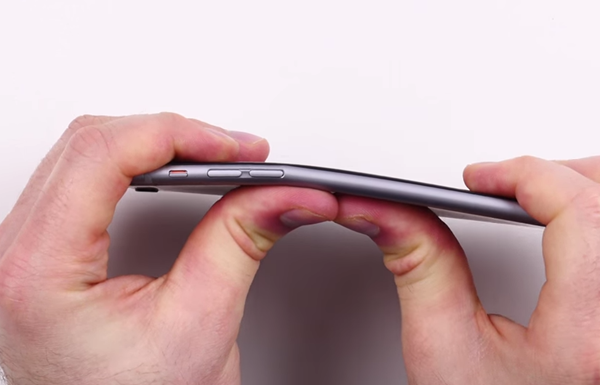
Try as it might, Apple just can't get a major new iPhone release out the door without some sort of controversy. The latest of those is of course Bendgate, and is all about whether or not the iPhone 6 and iPhone 6 Plus are a little too flexible for their own good. The iPhone 6 Plus in particular has come in for quite a lot of criticism, mainly from YouTube videos showing handsets being bent under not inconsiderable force.
Apple's recently introduced iPhone 6 and iPhone 6 Plus both include not one, but two accelerometers, according to a teardown conducted by Chipworks.
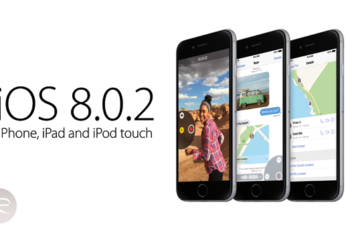
iOS 8, which saw the light of day merely 10 days back, held so much promise for users in terms of new features and apps. Yet, the public release of the new iPhone and iPad software was plagued by bugs and issues all over. To that end, Apple had to push out iOS 8.0.1 in less than a week to fix some of the major challenges and bugs in the new software. However, iOS 8.0.1 turned out to be a tragic story of its own; the "fixed" update broke more than what it had patched. For most iPhone 6 and iPhone 6 Plus users, the update ended up breaking cellular service and Touch ID, effectively making their shiny new iPhones a smaller version of the iPad mini (with a beefed up hardware). Thus came iOS 8.0.2.
A while back, when the world was made aware of the Heartbleed bug, there was hue and cry all over, mainly because the bug was discovered in a system that was widely used and implemented across the Internet. Today, a new threat has surfaced that's perhaps bigger than Heartbleed. Labeled the Bash bug - or Shellshock - the new vulnerability affects almost all Linux and Unix based systems, as the vulnerability exists in the Bash command that's widely implemented in Unix systems. The good news, at least for Mac OS X users, is that Apple is actively working to patch it and release a fix that can put users' minds at ease.
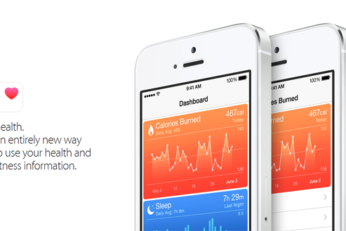
When Apple first touted iOS 8, one of its biggest features was Health, an app that was expected to act as the cornerstone to all out health and wellbeing apps. Touted to be a hub for all the disparate information collected by third-party health trackers and the like, Health was, and still is, quite exciting for those who like to keep track of their health and fitness.
We now know, thanks to Apple's clarification that only nine new iPhones had been reported as misshapen as part of the Bendgate saga, that the whole incident was a mere storm in a teacup, but with Apple now launching both the iPhone 6 and iPhone 6 Plus in 20 new markets across the world, the official statement was certainly necessary. Now, more details have emerged as to exactly how Apple ensures that its devices are built for purpose, and as well as five major stress tests, a company official has noted how how some 15,000 handsets were intentionally broken at development stage to provision against such issues as highlighted with Bendgate.