Mobile phone unlocking has long been something of a grey area in the United States, but when President Obama signed a bill into law that sought to clear things up a little more, many hoped that the floodgates to easily unlockable phones would open.
If you're into your RPGs, then you'll be pleased to learn that Square Enix has just released Dragon Quest IV for gamers on iOS and Android. As you'd expect from Square-Enix, of Final Fantasy fame, it's a very thorough and immersive title, and below, you can check the details as well as download links.
Android, being open source and all, is a prime target for makers of malicious software, and even though Google's ubiquitous mobile platform has become more and more secure through the generations, it still seems to encounter unwanted threats more frequently than iOS or Windows Phone. A new strain spotted by Russian security experts threatens more than 500,000 Android users by taking advantage of the way some banks process information through SMS, and with the ability to assume almost full control of an afflicted device, it's actually rather dangerous.
Last week, Crazy Taxi: City Rush was rolled out to those rocking an iPhone, iPad and iPod touch. The title, designed specifically for mobile rather than being a port of one of the old classics, has enjoyed a bright start since making its début over at the App Store, and fashionably late, the Android version has just arrived over at the Google Play Store. Details, as well as the download link, can be seen after the fold.
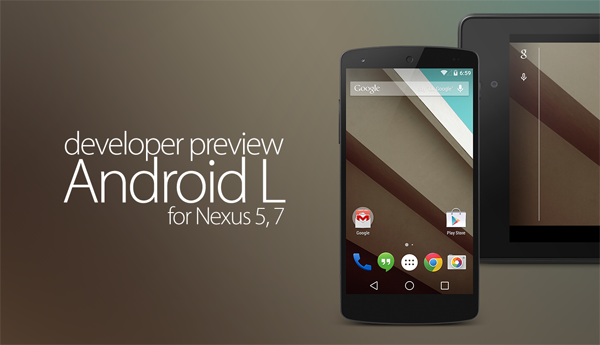
Google's Android L, which the search giant took the unprecedented step of launching at I/O this time around, offers a bunch of improvements over KitKat. Notably, it's laden with an all-new "Material Design,” but aside from tweaking the aesthetics, there are plenty of enhancements on the functionality side of things. As it has just emerged, multi-user support is also in the offing for smartphones, and given how families and groups like to share devices, seems a natural progression that perhaps should have arrived much earlier.
When Google first took the wraps off Android Wear, a smartwatch-flavored variant of the famed mobile software, a number of manufacturing partners were also outlined. On the very day of the announcement, both LG and Motorola showcased their inaugural efforts, with the respective G Watch and Moto 360. Among most of our readers, as well as the whole team here, the Moto 360 was the stand-out, featuring a slick, traditional design, and after handing out samples at I/O, we're now beginning to see some accessories and peripherals. Below, we take a look at the wireless charging dock, which also morphs your device into a night stand / bedside clock.
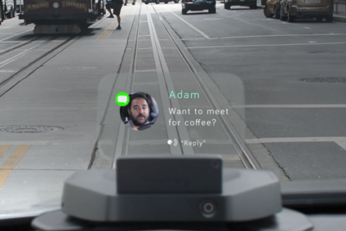
One of the reasons why Android Auto, Apple CarPlay and several other infotainment-based services are currently emerging is due to the issue of road safety. Sure, our smartphones offer a wealth of information at our fingertips, but when we're driving, we can no longer use them. Of course, some folks like to flout the law and put the lives of themselves and others at risk, but for the most part, the tech industry is looking for a middle-ground whereby folks and digitally engage without compromising safety. An interesting new dashboard-ready gadget attempts to achieve exactly this, beaming notifications and other useful info to drivers who can still maintain focus on the road.
The touch-based environment has risen to prominence over the past few years, with many skeptics and naysayers having been won over in the process. As well as the increase in the number of smartphones, tablets and other touch-enabled gadgets sold every year, we've also seen efforts to bring gestures to our regular computers and notebooks. Some have focused on air gestures, allowing users to swipe using simple hand signals, while others, like the $75 offering seen below, have sought to turn everyday surfaces into touch panels.
After years of trying to make airlines and everyone involved with the aviation industry realize that mobile phones on planes weren't a recipe for disaster, it seems that once again we may be banned from using them in the air.
On the first week of September, with the IFA tech gathering looming, Samsung usually showcases the latest addition to its phablet 'Note' series, and although we've heard several reports with regards to the Galaxy Note 4, it's now certain that Samsung Unpacked will be held on September 3rd. The Korean outfit just passed out invitations to the special event, and although it cannot be confirmed that we'll be seeing the Note 4, the timing leads us to believe that this will, in fact, be the case.