A couple of days back, we reported on the so-called Masque Attack afflicting iOS, with threatening apps posing as legitimate ones in order to steal login credentials and generally wreak havoc. The fact that the United States government has issued a bulletin as something of a warning to iOS users is a testament to the severity of the problem, and with Apple concerned about the security of its platform as it well should be, the Cupertino company's support pages have been updated to offer advice to those worried about Masque.
Apple has released a statement and support document that outlines the potential security issue behind Masque Attack while also making it very clear that so long as people stay within its walled garden, they'll be perfectly fine.
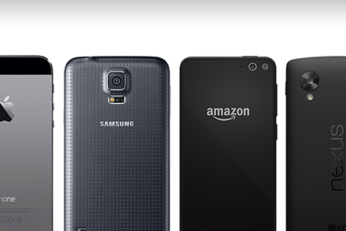
The annual Pwn2Own competition, held at the PacSec conference in Tokyo, is now under way. The challenge, for those willing to undertake it, is to bypass security measures and exploit a device's sandbox, with significant monetary gains to be made for the most complex, highly-rated hacks. We may only be at day one, but thus far, Pwn2Own has been an unqualified success for our hackers, with some of the most popular devices in the mobile industry having already been pwned.
It's been a while since we had a good security scare, so here it is. According to Microsoft, a good portion of its Windows operating systems are potentially at risk of having someone gain complete control of a machine using what it calls modified packets. The security hole comes due to a flaw that has been found in Microsoft Secure Channel and while it doesn't know of anyone yet who had exploited it, Microsoft had made a patch available that it says will keep us all nice and safe.
Here's how you can find and remove WireLurker malware from both jailbroken and non-jailbroken iPhone, iPad or iPod touch.
iOS and OS X users have historically considered themselves relatively "safe" from malware and malicious software. With that said, a new family of malware, currently known as WireLurker, has been discovered attempting to wreak havoc within Apple's mobile iOS devices and OS X powered Macs, although it isn't quite the doom and gloom as it may initially seem.
Instant picture messaging app Snapchat has risen to prominence over the past couple of years, establishing a niche for users who wish to share photos and short (albeit terrible quality) clips that self-destruct after a set period of time. The authors of Snapchat have come under fierce scrutiny on more than one occasion already over user privacy, and with a cache of around 13GB of snaps having leaked online, the company is pointing the finger at "illegal" third-party clients.
Android is not new to news of security bugs and vulnerabilities, but continues to roll on in spite of such news. Just recently, Rafay Baloch of RBH discovered a vulnerability in Android’s stock browser, including all browsers based on the stock AOSP code. This vulnerability was a serious one which caused the browser to fail in enforcing the Same Origin Policy (SOP) protocol, which basically governs how content from multiple resources is securely loaded into the browser. While this issue plagued pre-KitKat devices, Google was quick in patching it up. However, given the nature of Android’s ecosystem, updates aren’t rolled out that quickly, resulting in almost 45% Android devices out there that remain vulnerable according to the security experts at Lookout. Please note that this data is based on their apps user-base that is over 100 million, so it does make an interesting case nonetheless.
Apple has added a section to the existing iCloud.com domain that will allow users to easily check and determine whether or not an iOS device is currently protected via the Find my iPhone Activation Lock initiative, or in other words, whether the device being sold is stolen or not. The new section is a simple Web page that allows anyone with the IMEI or serial number of an iPhone, iPad or iPod touch to check the Activation Lock status of that individual device in an effort to protect themselves against purchasing a piece of hardware that cannot be used without the original owner’s iCloud credentials.
As mobile users, most of us follow the standard precautions in the ongoing fight against malicious software, but as the defenses become more adept to dealing with such intrusions, attackers also dream up more advanced, cunning ways of sneaking into our devices and extracting data. A new type of spyware, which appears to have originated from Hong Kong, is said to affect iOS users who've opted to jailbreak their devices, and according to experts on the matter, may also be connected to a similar piece of unwanted software lurking on Google's Android.