Apple hasn't even managed to get the iPhone 6 out the door yet, but Samsung has already begun poking fun at not just the phone, but those lining up to buy one, too.
In a statement emailed directly to Financial Times journalist Tim Bradshaw Apple has strongly denied working alongside any government agency with the intention of creating backdoor access in any of its products or services. You may have been a little concerned to read a presentation from iOS Security Researcher Jonathan Zdziarski earlier this week that claimed Apple had purposely created backdoor entries that would allow various sets of system and user data to be accessible without the need to authenticate via the usual means. The intricacies and merits of that report are still regarded as questionable at best, but while additional investigation into the claims is being carried out Apple have acted quickly to deny any wrongdoing whatsoever.
Spam text messages are nothing new, but security research firm Cloudmark is now warning people of a new approach being taken by those who previously relied on SMS to peddle their spam.
Apple has already received plenty of plaudits for the way it has worked to try and reduce the number of iPhone thefts in big cities, but a newly discovered patent application shows that the firm isn't resting on its laurels. Instead, if we're reading this Thursday's patent application right, Apple is working on technology that will analyze usage patterns in order to discern whether a device is in the hands of its rightful owner.
Off the back of Apple's deal with IBM to further the presence of products like the iPhone and iPad in enterprise environments, Apple CEO Tim Cook has suggested that he completes around four-fifths, or 80 percent of his work using only the company's famed iPad tablet. In addition, he's also of the opinion that everybody should be able to do likewise, and with laptops still comfortably outnumbering tablets in the business world, hopes that Apple and IBM's new-found allegiance can help to tip the balance.
Apple has today struck a deal with IBM that will see devices like the iPhone and iPad build a stronger presence in the enterprise market, with IBM's obvious clout among business helping to seal what will no doubt be a mutually beneficial deal. Announced today by means of a press release, IBM will take the opportunity to integrate its own pool of services and solutions into these Apple-made devices before selling the tailored experience on to specific, pin-pointed businesses and industries.
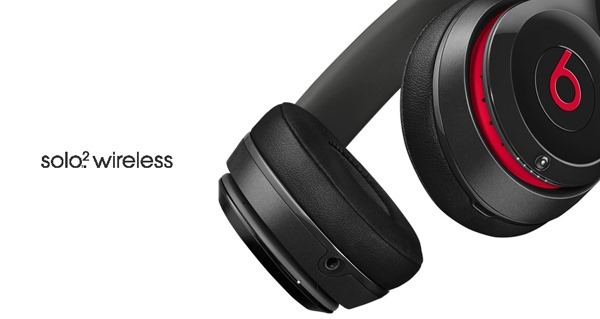
Beats Electronics, which was recently acquired by Apple, has enjoyed an immensely successful first few years in business, and while its hardware arguably offers premium audio quality, there's no doubt that the company's ties with music and popular culture have helped it to reach the dizzy heights of being Apple's largest ever acquisition. As well as music, an industry in which founders Dr. Dre and Jimmy Iovine are heavily invested, football / soccer players have certainly helped to broaden the appeal of the brand, and now, Beats has returned the favor by presenting Germany's World Cup-winning squad with some 24-carat gold Beats Pro headphones.
Even though Apple makes every new iOS device considerably better than the last and, by some miracle, thinner and lighter than the preceding model, one common quibble that consumers have is in the waning battery life. Even though the likes of the iPhone and iPad excel in most departments, battery retention is not one of them, and as such, users are often left with a well-built, stylish, and feature-rich device that won't power up. Apparently, though, Tim Cook's company is joining forces with Intelligent Energy in a collaborative effort that may see iDevices, as well as other products like the MacBook, keep going for up to a week by embedding fuel cells into them.
FCC filings were once a great way of getting a sneak peak at what Apple is working on, but those little leaks have become more and more rare of late. One has been picked up in the last day or so though, and it's all about iBeacons.
Dr. Dre's Beats Electronics, soon to be part of the Apple empire following a massive acquisition announcement of $3 billion, has filed a lawsuit that it hopes will not only put a collection of Chinese counterfeiters out of business, but also rake in a pretty penny when it comes to fines and seizure of assets.