When we make the purchase of a new smartphone, or any mobile gadget for that matter, we take one or two things for granted. One aspect that we assume to be a given is that, above all, said device is safe to use, and will not cause any harm. Despite this, though, there have been several instances where folks have looked on as their beloved gizmos spontaneously combusted, and although you may be one of the man millions to sleep with your handset under your pillow, you mightn't after witnessing the smoldering mess that one Galaxy S4 owner's device was left in.
When Microsoft took the wraps off Windows Phone 8.1 just a couple of months ago, many users rejoiced at the broad range of features that had been introduced. Everything that we expected of the announcement turned out to be true, but even though we really ought to be focusing our attentions on core features like, for example, the new notifications infrastructure, the Cortana voice assistant has commanded a large portion of attention. Just like when Apple introduced Siri, we don't seem to be able to get enough of these personable, digital voice recognition features, and in a new ad to promote Windows Phone 8.1, the software giant has pitted the Lumia 635 and Cortana up against the iPhone 5s and Siri.
When Apple recently announced its latest financial results, there was little to get too excited about. Big sales are a given these days for Apple, but with new products not expected for another month or two, the analysts that like to make so much noise just haven't had too much to feed on, making this particular call even more boring than usual.
When it was announced that Intel was giving its Haswell line of CPUs a speed bump very recently, the smart money immediately went on those chips finding their way into Apple's MacBook Pro and, if this leaked photograph is to be believed, that's exactly what is going to happen.
There's a certain voyeurism that goes along with sharing screenshots of home screens. In fact, we're as guilty as anyone in that regard after our post yesterday which showed the home screens of the RP team's phones. That post proved as popular as we knew it would, and there are even web sites that are aimed at sharing what tech celebrities have on their home screens, and we love them as much as everyone else.
If mobile security is something that you’re usually concerned about, then you must have seen the recent news about certain vulnerabilities in Apple’s iOS mobile operating system that can potentially leave user data of very personal nature vulnerable to forensic snooping for people looking in the right places. Although the Cupertino tech giant had responded to these allegations earlier, they have today released a new statement that gives a detailed breakdown of the under question diagnostic services and affirms Apple’s position as being user privacy conscious and not putting it at risk for any third parties.
We’re doing something really different today, and to make it more fun and interactive for everyone, we’d love to see some input from our readers on this one.
The Sleep Cycle Alarm Clock for iPhone brought the pastime of logging sleep data and behavior to the mainstream, and having seen a bunch of apps and technologies emerge since then, companies and start-ups are now looking to up the ante. One group of individuals have dreamed up a very alluring, orb-like product that not only glows in the dark and looks amazing, but also does a pretty good job of monitoring you while you catch those all-important Zs.
Earlier on last month, we caught a glimpse of Dance Party, an intriguing little game that allowed Apple TV users to enjoy the popular genre of motion-detected dance moves using their iPhones. It was an interesting concept that had never been attempted before, and having teased us with a trailer back when it was first announced in June, has just become available over at the App Store. Below, you'll find the usual details as well as that all-important download link.
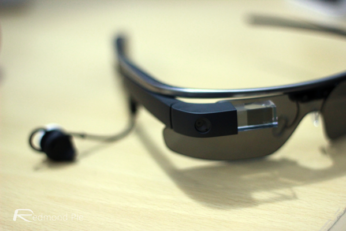
It remains to be seen whether there's a legitimate market for head-mounted, augmented reality devices, but as ever, Google is having a pretty good go at building a suitable device for this emerging space. The Explorer Edition of Google Glass has just spread its wings to the United Kingdom, opening the door to a wider roll-out in the run-up to the eventual consumer-end release, but while Glass is commanding the lion's share of coverage, plenty of other companies are working on something similar. Lenovo, to whom the Big G recently sold Motorola, has a product on the go that looks almost identical, and having just taken the wraps off the unnamed HUD, also gave a very brief overview.