When Apple announced iOS 8 a few months ago, one of the first questions on everyone's lips was which older devices the new software would support. As it turned out, the iPhone 4s and iPad 2 along with the iPad mini are the oldest machines to be able to be updated to iOS 8. Owners of those devices rejoiced.
At a time when few of us are swimming in money, every little cost saving is very much appreciated. With bills tending to increase rather than decrease, energy bills are some of the most dreaded to land on our door step, and with good reason. As our lives include more and more technology, it needs an ever increasing amount of power to keep it all juiced up.
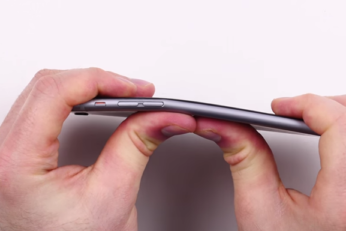
Try as it might, Apple just can't get a major new iPhone release out the door without some sort of controversy. The latest of those is of course Bendgate, and is all about whether or not the iPhone 6 and iPhone 6 Plus are a little too flexible for their own good. The iPhone 6 Plus in particular has come in for quite a lot of criticism, mainly from YouTube videos showing handsets being bent under not inconsiderable force.
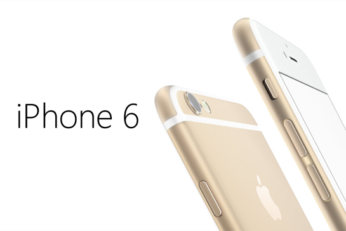
Apple's recently introduced iPhone 6 and iPhone 6 Plus both include not one, but two accelerometers, according to a teardown conducted by Chipworks.
iOS 8, which saw the light of day merely 10 days back, held so much promise for users in terms of new features and apps. Yet, the public release of the new iPhone and iPad software was plagued by bugs and issues all over. To that end, Apple had to push out iOS 8.0.1 in less than a week to fix some of the major challenges and bugs in the new software. However, iOS 8.0.1 turned out to be a tragic story of its own; the "fixed" update broke more than what it had patched. For most iPhone 6 and iPhone 6 Plus users, the update ended up breaking cellular service and Touch ID, effectively making their shiny new iPhones a smaller version of the iPad mini (with a beefed up hardware). Thus came iOS 8.0.2.
Here's a quick and easy tutorial on how to downgrade iOS 8 to iOS 7.1.2 on iPhone 5s, 5c, 5, 4s, iPad Air, iPad mini or even iPod touch 5.
We're another 24 hours into the iPhone 6 and iPhone 6 Plus's lifecycle and it seems the absurdness surrounding 'Bendgate' just isn't going to go away. Following YouTube videos showing Apple's new smartphones being bent out of shape using not inconsiderable force, Apple has seen fit to lift the lid on its own internal testing in an attempt to try and put people's minds at ease.
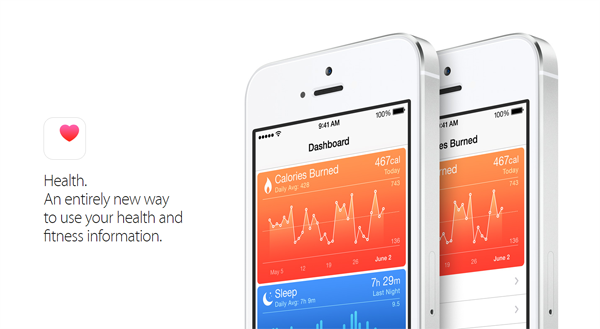
If you're the kind of person that worries about whether they're being tracked by a faceless corporation, then you're probably spending most of your nights holding your iPhone and rocking back and forth in a corner at this point. It's probably safe to say that with all the sensors built into the iPhone and iPad, both devices are capable of tracking us down.
We now know, thanks to Apple's clarification that only nine new iPhones had been reported as misshapen as part of the Bendgate saga, that the whole incident was a mere storm in a teacup, but with Apple now launching both the iPhone 6 and iPhone 6 Plus in 20 new markets across the world, the official statement was certainly necessary. Now, more details have emerged as to exactly how Apple ensures that its devices are built for purpose, and as well as five major stress tests, a company official has noted how how some 15,000 handsets were intentionally broken at development stage to provision against such issues as highlighted with Bendgate.
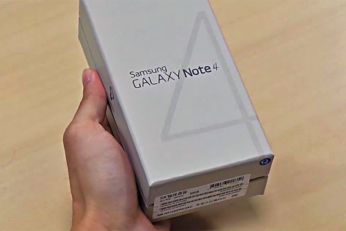
With all the excitement about Apple's first 5.5-inch iPhone clouding everyone's minds, it's easy to forget that Samsung is already the king of the giant smartphone thanks to its Galaxy Note line of handsets.