Adwares constantly put our computers to risk for a lot of reasons, and if you think Lenovo’s Superfish snafu was the only issue worth worrying about, then you might want to think again.
As mobile consumers, we're always wary of malicious intrusion, and as time progresses, those behind these hacks and exploits are getting even more cunning with their methods. Case in point, a new strain of Android malware that essentially spoofs a device's shut-down process, meaning that while you may think your tablet or handset has been switched off, the intruder is working overtime to make calls, take photos, and generally pry into your sensitive data.
Cyber security is a big thing these days and it's only going to get even bigger as we increasingly blur the lines between our digital and physical lives. A particular set of security researchers know that too well, so when they start to warn of malware targeting iOS devices that don’t need to be jailbroken, it's worth listening to them.
With 2014 having passed us by, one would want to believe that the human race has evolved beyond some of the most obvious and ridiculous passwords it could use on its devices and the Internet. Not by a mile apparently. Head on after the jump, to catch a rundown of the 25 most effective passwords for getting hacked.
Those of us living outside the United States have been able to look on with a smug expression on our faces while the land of the free tries its best to get its tentacles into each and every communication medium on the planet. Not other government would try and get its fingers into encrypted messages sent by its own people, would it?
Google's Android gets plenty of unwanted recognition for attracting malware, but given that it's used by more than one billion of the world's population while being famously open source, it's an inevitability that comes with the territory. The search company behind the ubiquitous mobile software faces a constant battle to ensure that security holes are fixed, bugs are squished and malicious attacks are thwarted, we're led to believe, yet according to a new report, the Big G has stopped pushing WebView updates that may leave some 900 million users susceptible to attack.
Apple's security has been under the microscope on more than one occasion in recent times, none more high profile than the widespread leak of celebrity private images back in late August of last year. But at that time, Apple stepped out and dispelled any notion of responsibility, claiming that those stung were hit due to the frailty of their passwords and lack of two-step verification, and with a new iCloud-based hack having emerged over the past few hours, it seems that those with weak password combos are once again susceptible.
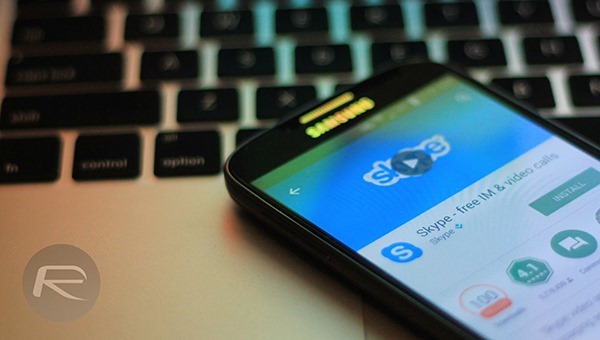
Looks like Skype for the Android platform has a serious flaw - or vulnerability - waiting to be exploited. Apparently, this flaw can potentially allow anyone on any platform using Skype to tap into the Android user's phone's camera and mic. For more on this, read on after the jump.
As mobile device owners, we're constantly vigilant of the numerous viruses, malware and general non-niceties that tend to be floating about, ready to hack our treasured gadgets and steal data and other such information. And now, a major new piece of malicious software has been uncovered by a security team that apparently targets diplomats, key figures within military circles and business executives, and while it can affect Windows Phone, Android and the Android apps on the BlackBerry OS, and iOS too only if it’s jailbroken.
Looks like PlayStation Network, 2K Games and Windows Live accounts have been hacked and it's gotten every online gamer in a twist.