Want a iOS app for iCloud Drive? Here's how you can easily browse through iCloud Drive files right from your iPhone, iPad or iPod touch. More details can be found right here.
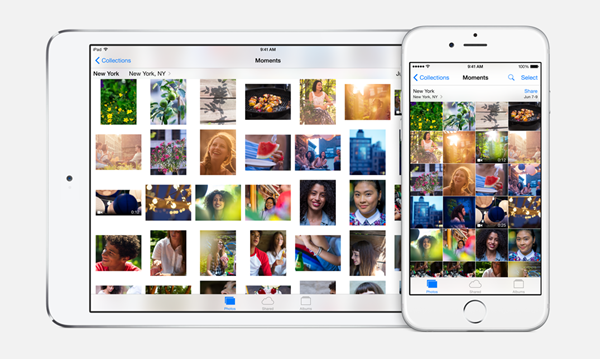
The consumer facing Web version of iCloud has just gained support for uploading images to the iCloud Photo Library, a feature which was previously limited to the beta site.
Apple has added a section to the existing iCloud.com domain that will allow users to easily check and determine whether or not an iOS device is currently protected via the Find my iPhone Activation Lock initiative, or in other words, whether the device being sold is stolen or not. The new section is a simple Web page that allows anyone with the IMEI or serial number of an iPhone, iPad or iPod touch to check the Activation Lock status of that individual device in an effort to protect themselves against purchasing a piece of hardware that cannot be used without the original owner’s iCloud credentials.
Apple's iCloud has never truly competed with the likes of Box, Google Drive et al because while it's fine for backing up, storing documents and other content like a virtual hard drive was never possible. This will all change thanks to the introduction of iCloud Drive, but while Mac users will have to wait for the official unveiling of OS X Yosemite 10.10 to begin using it, Apple has already rolled out a version for those on Windows. Details after the break.
Last week, numerous celebrities found themselves victims of a widespread hack, and although Apple stepped out with a statement to swiftly deny any wrongdoing, CEO Tim Cook did outline the company's intention to strengthen up security. As a number of users have already discovered, though, some of these improvements are already in place, with email notifications going out to users when a password change is or device restore is attempted, as well as when a login from a new device occurs.
The security of Apple's iCloud servers has had some considerable focus of late after a host of celebrities had their accounts raided and personal, intimate photos of them distributed online. After initially appearing to have been hacked, iCloud suffered quite the bloody nose over the incident.
In case you missed it, a number of high-profile celebrities had their very private images leaked onto the Web. But while it was rumored that Apple's iCloud infrastructure was to blame for the large-scale breach, the Cupertino giant has stepped out and denied that its services were to blame in an official statement on the matter.
Big breaches of security are never fun, but when you're the provider of cloud storage that holds all kinds of personal data, things can get particularly hairy when someone finds a way through. That's the situation Apple finds itself in today, or at least, that's the claim.
Smartphones, tablets and mobile gadgets in general are regularly targeted by unwanted individuals, and devices bearing the famous Apple logo tend at higher risk than those created by other manufacturers. The iPhone, in particular, has been a hot item given its strong resale value, and as such, Apple has felt compelled - obliged even - to take action. The Activation Lock system introduced alongside iOS 7 has, according to a new report, notably reduced iPhone theft across three of the world's major cities, with London, New York and San Francisco all having noticed less activity involving theft of Apple's most prized of assets.
A couple of weeks back, it was reported that an individual, operating under the pseudonym 'Oleg Pliss', was conning iOS device owners in Australia out of hundreds of dollars using a very simple but effective scam using Apple’s Find My iPhone infrastructure. Initially, it was reported that Apple's iCloud infrastructure had been compromised somewhere along the line, but with the Cupertino outfit having swiftly stepped out and refuted these claims, it now appears that the group behind the well-organized scheme has finally got its comeuppance.