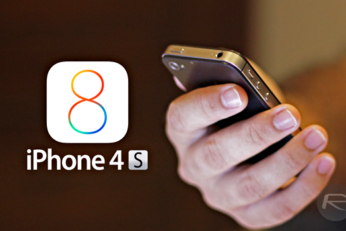
When Apple announced iOS 8 a few months ago, one of the first questions on everyone's lips was which older devices the new software would support. As it turned out, the iPhone 4s and iPad 2 along with the iPad mini are the oldest machines to be able to be updated to iOS 8. Owners of those devices rejoiced.
At a time when few of us are swimming in money, every little cost saving is very much appreciated. With bills tending to increase rather than decrease, energy bills are some of the most dreaded to land on our door step, and with good reason. As our lives include more and more technology, it needs an ever increasing amount of power to keep it all juiced up.
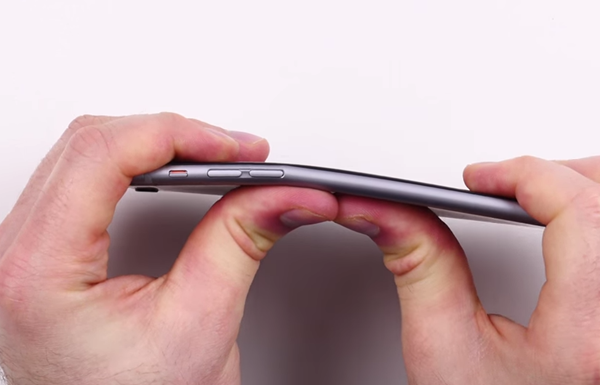
Try as it might, Apple just can't get a major new iPhone release out the door without some sort of controversy. The latest of those is of course Bendgate, and is all about whether or not the iPhone 6 and iPhone 6 Plus are a little too flexible for their own good. The iPhone 6 Plus in particular has come in for quite a lot of criticism, mainly from YouTube videos showing handsets being bent under not inconsiderable force.
Apple's recently introduced iPhone 6 and iPhone 6 Plus both include not one, but two accelerometers, according to a teardown conducted by Chipworks.
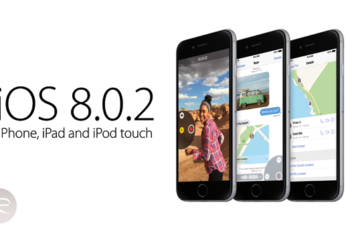
iOS 8, which saw the light of day merely 10 days back, held so much promise for users in terms of new features and apps. Yet, the public release of the new iPhone and iPad software was plagued by bugs and issues all over. To that end, Apple had to push out iOS 8.0.1 in less than a week to fix some of the major challenges and bugs in the new software. However, iOS 8.0.1 turned out to be a tragic story of its own; the "fixed" update broke more than what it had patched. For most iPhone 6 and iPhone 6 Plus users, the update ended up breaking cellular service and Touch ID, effectively making their shiny new iPhones a smaller version of the iPad mini (with a beefed up hardware). Thus came iOS 8.0.2.
Here's a quick and easy tutorial on how to downgrade iOS 8 to iOS 7.1.2 on iPhone 5s, 5c, 5, 4s, iPad Air, iPad mini or even iPod touch 5.
If you're the kind of person that worries about whether they're being tracked by a faceless corporation, then you're probably spending most of your nights holding your iPhone and rocking back and forth in a corner at this point. It's probably safe to say that with all the sensors built into the iPhone and iPad, both devices are capable of tracking us down.
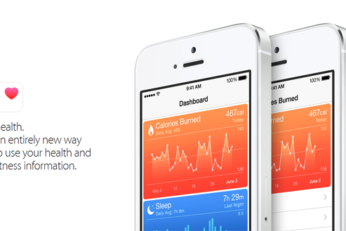
When Apple first touted iOS 8, one of its biggest features was Health, an app that was expected to act as the cornerstone to all out health and wellbeing apps. Touted to be a hub for all the disparate information collected by third-party health trackers and the like, Health was, and still is, quite exciting for those who like to keep track of their health and fitness.
Apple's iOS 8.0.1, for those that missed it, was a marked disaster, and a major blemish in what has otherwise been a fairly smooth launch of the company's new mobile software. Having rolled out a couple of days ago, it featured major flaws that saw iPhone 6 and 6 Plus owners left with No Service and a non-functioning Touch ID fingerprint sensor, and in all honesty, Apple hadn't made such a blunder since the iOS 6 Maps debacle. Back in 2012 when Maps first appeared, the scapegoating seem to begin, and end, with then-iOS SVP Scott Forstall, who was swiftly ejected from the executive team and Apple in general, but incidentally, it has now been revealed that a member of the quality control team amid the Apple Maps scandal may also have been partially responsible for the blundered iOS 8.0.1 launch.
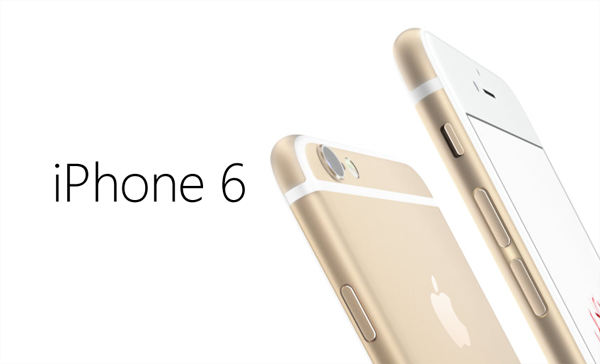
Apple's iPhone 6 and iPhone 6 Plus have, as is typically the case with new iPhones, arrived to a great deal of fanfare. As well as the critical acclaim and record sales, social media was consumed by 'Bendgate', the idea that the new devices - particularly the iPhone 6 Plus - are prone to bending. Apple stepped out to dispel such a notion, adding that it only uses the highest standard of materials as well as running through extreme quality control measures to ensure the robustness of its handsets. Be that as it may, a new teardown has revealed that the material cost of the iPhone 6 and iPhone 6 Plus remains decidedly low, despite the considerable increase in price at the consumer end, and with 10 million units sold and counting, the profit margin on these newer smartphones is considerably higher.